Firefighter owned & operatedMiami, Florida
Miami dry ice blasting,
cold enough to clean anything.
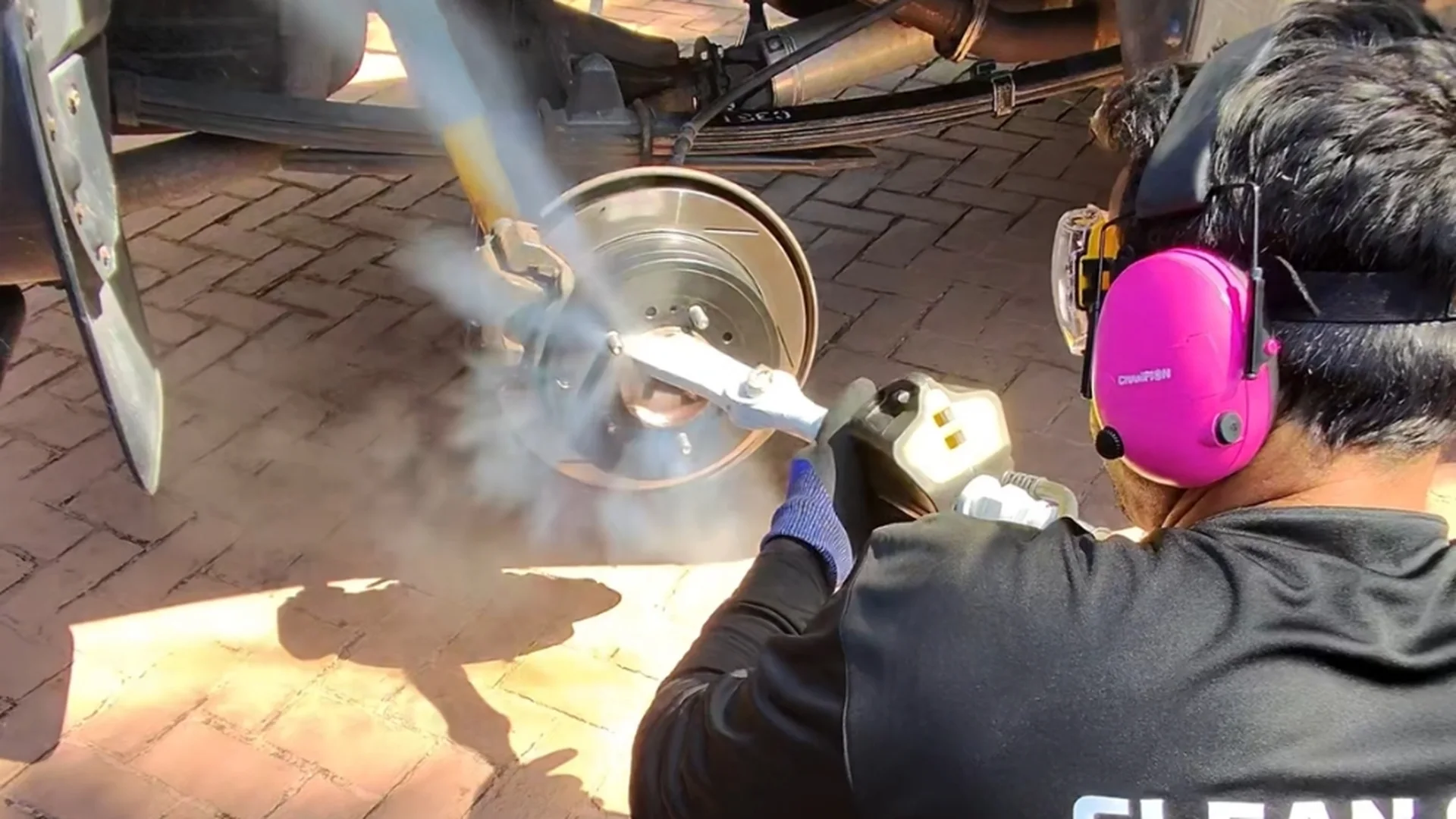
Dry ice blasting strips grease, carbon, soot and adhesive off the thing underneath without sanding it, soaking it or dousing it in solvent. No water. No chemicals. Nothing left to sweep up.
No water
Nothing gets soaked. No standing water in a harness, a bearing or a panel, so there is no dry time before the part goes back.
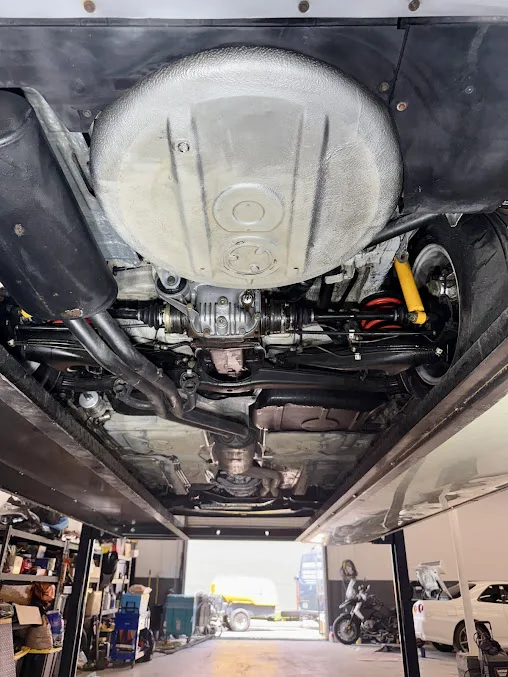
No chemicals
No solvent, no degreaser, no film left behind and nothing to dispose of afterward. The only thing on the floor is what came off.
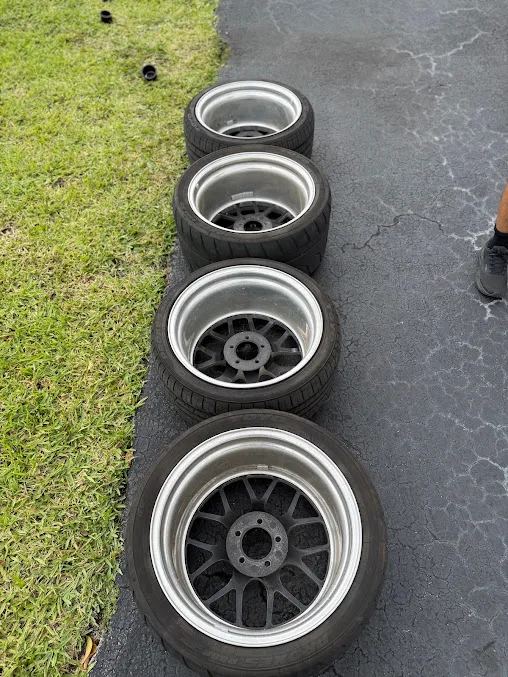
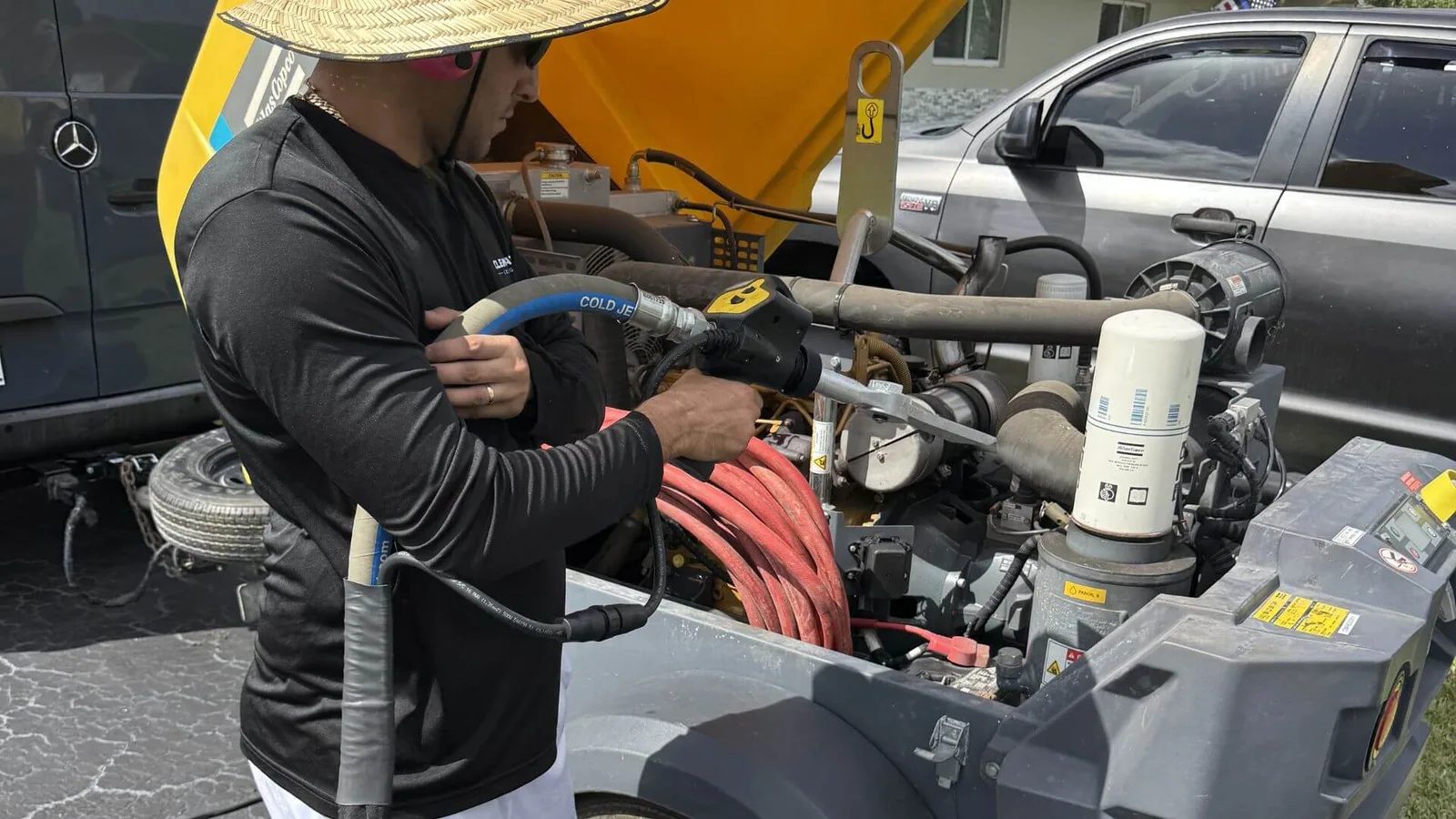
No damage
The pellet is soft and sublimates on impact. Machined faces, plating, paint and gaskets all survive it.
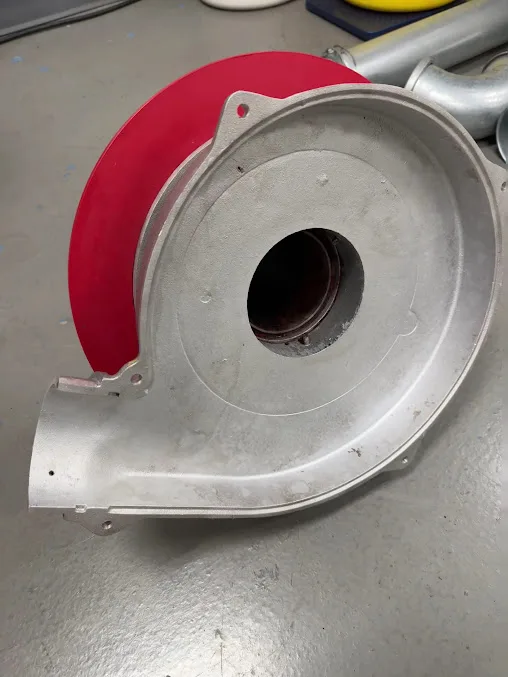
The same housing, forty years of carbon lighter.
Every photograph on this site is our own equipment on a real job in South Florida. No stock, no borrowed shop.
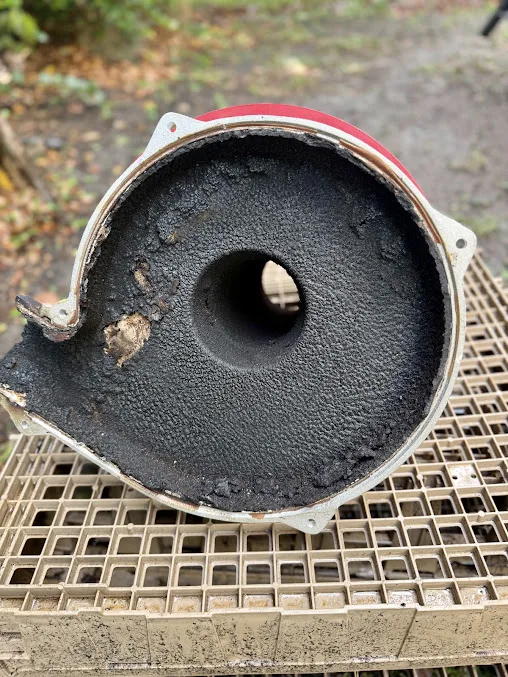
 BEFORE
AFTER
Carbon packed into every radius on the left. Bare aluminum on the right, with the gasket and the machined faces untouched. Nothing abrasive went near it.
Why dry ice
Everything else takes something off the part.
Sandblasting cuts into the substrate. Pressure washing drives water where water should not go. Solvent leaves film, fumes and a disposal problem. Dry ice does the work, then it is simply gone.
Carbon and soot
The hard black crust on a housing, an oven, a weld cell. Bonded by heat, and the first thing to release under thermal shock.
Grease and oil film
The soft layer underneath, holding dust and swarf against the metal. This is what makes a part feel dirty long after it looks clean.
Adhesive, resin, mold release
Production buildup on tooling and fixtures. Solvent trades one film for another; the pellet removes the residue and disappears.
The part itself, untouched
Machined tolerances, paint, plating, gaskets and wiring all still there. This is the line every other method crosses.
The work, not a stock photo of the work.
Engine bays, frames, blower housings, gearboxes and heavy equipment, all of it ours, all of it South Florida. Fifteen categories and two hundred and nine individual jobs behind them.

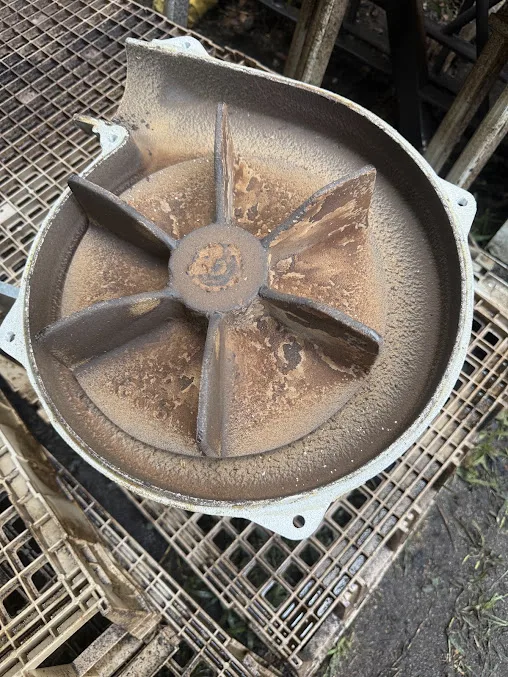

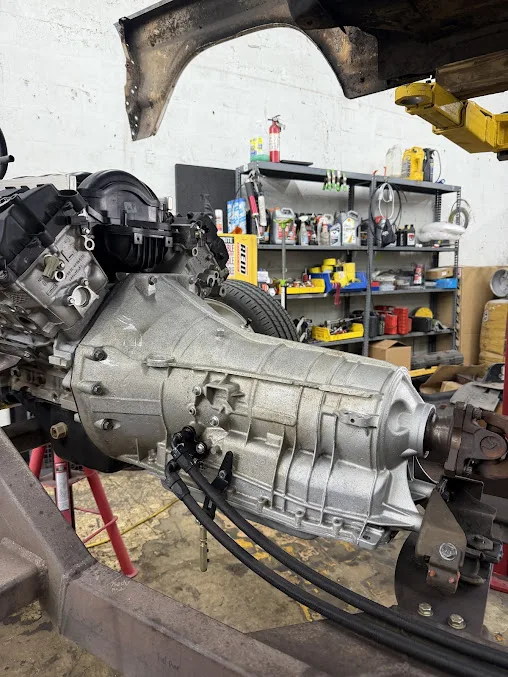
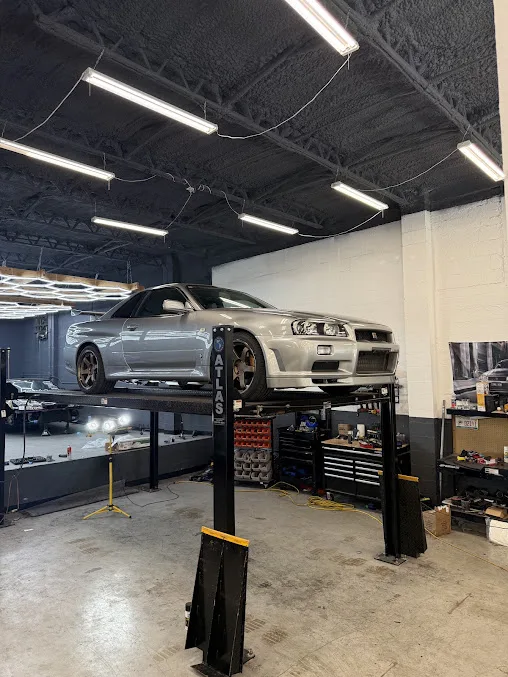
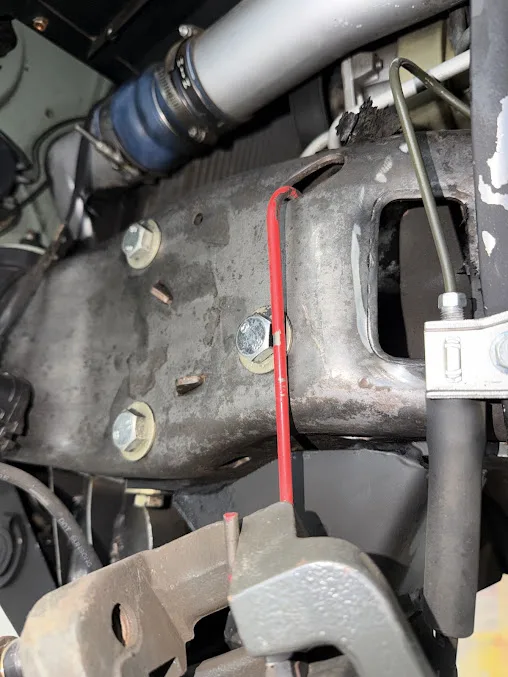
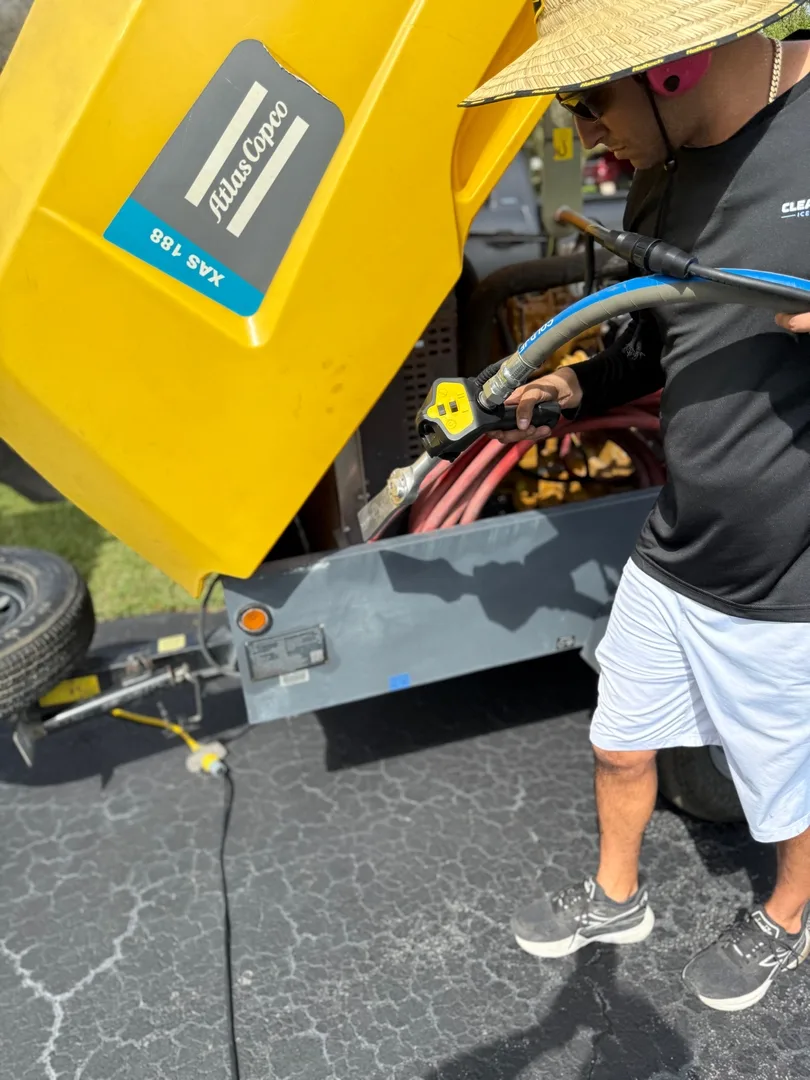

See the full gallery · Every service, all fifteen categories
How a job runs
Nothing about this should be a surprise.
Most people have never watched dry ice blasting happen. Here is the whole sequence, start to finish.
You describe the job
What the equipment is, what is on it, where it lives, whether it can be shut down. Photos tell us more than a paragraph. If dry ice is the wrong tool, we say so on that call rather than after taking your money.
We look at access and containment
Where the compressor sits, how far the hose reaches, what gets masked, and where the removed contaminant ends up. On food and electrical work this is most of the planning.
We test a small area first
We are car people ourselves, so we know what a finish means to the person who paid for it. That is why every job opens with a small hidden test before we set the pressure for the rest.
We blast, then clean up after ourselves
The ice is gone the moment it does its work. What stays behind is the grease or carbon that came off, and that is ours to collect. You should not be finding evidence of us a week later.
You look at it before we pack up
If something needs another pass we do it then, on site, while the rig is still running. That is a far better outcome for everyone than a callback.
Who shows up
Two firefighters with a compressor.
Clean Slate is firefighter owned and operated. Both founders came up in the fire service, and the habits came with them: show up prepared, tell you what you are actually looking at, and do it right the first time.
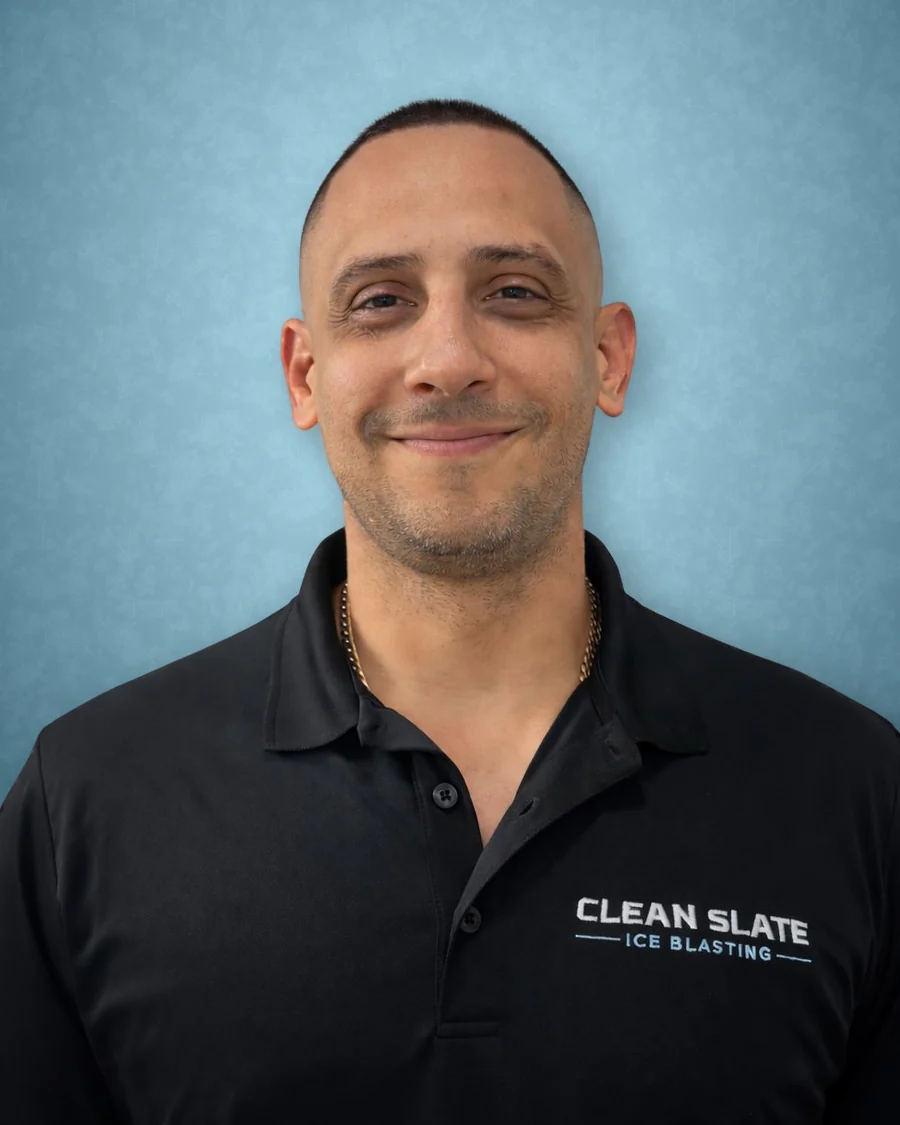
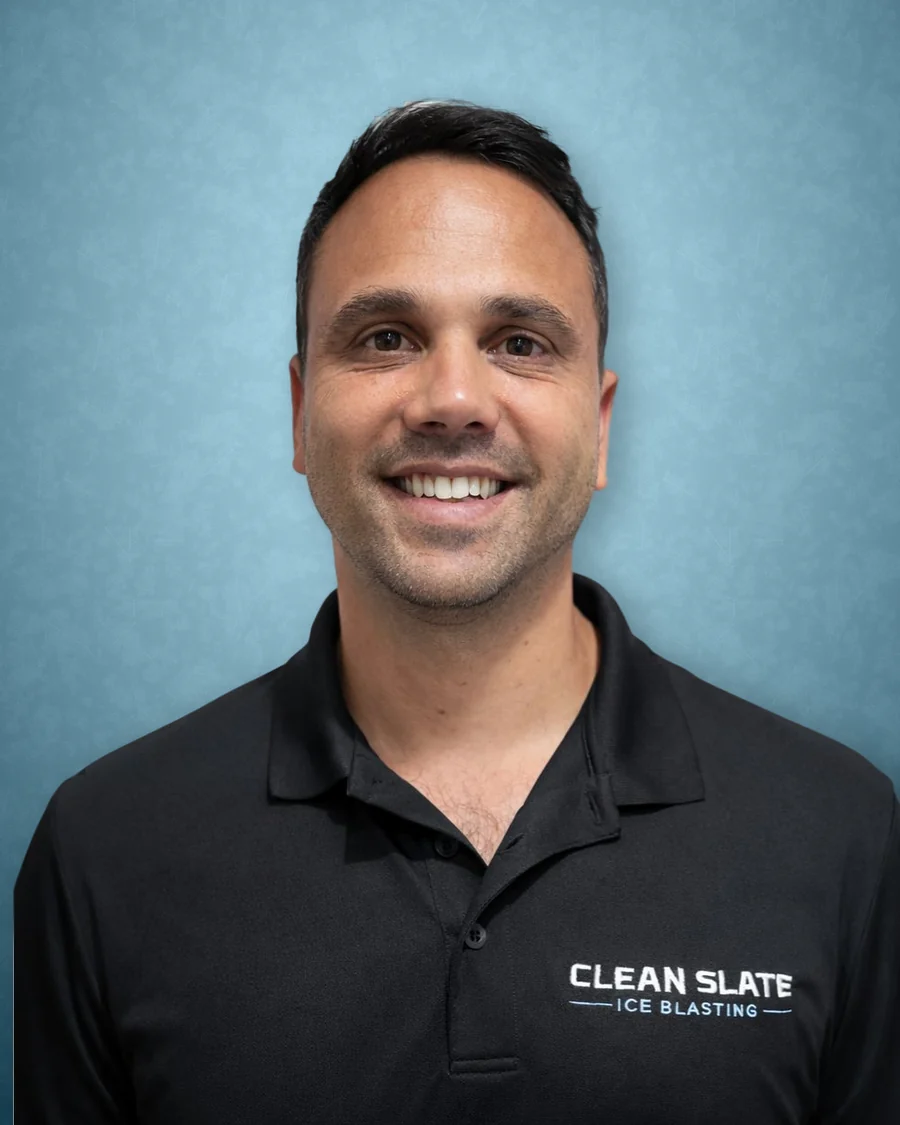
“There was a need in our market. We noticed our community needed this.”
Why start this in South Florida?
Nobody down here was doing it properly. We are both firefighters and both of us have been around cars our whole lives, so we kept running into jobs where every available method was too harsh for the part.
What does the fire service have to do with cleaning?
Giancarlo puts it plainly: “My background as a firefighter taught me responsibility, preparation, and how to perform under pressure. I apply that to every project and every customer.” You show up ready, and you tell people the truth about what you are looking at.
Who actually turns up to the job?
One of us. Giancarlo or Kenny, on the phone and on site. Kenny came up the same way: accountability, teamwork and a commitment to serving others is how he puts it.
What do you refuse to do?
Guess. If a surface is unusual we test a corner of it before we commit, and if the method is wrong for the part we tell you instead of finding out on your equipment.
How do we reach you?
Giancarlo at 786-302-6553, Kenny at 786-797-2181. Or send the details through the contact page and one of us calls back.
Service area
We are mobile, so the job site is wherever the machine is.
Based in Miami and running roughly a hundred miles out. Distances are straight-line from Miami, because a radius claim should mean something.
Eleven counties in all, including Collier, Lee, Hendry, Glades, Okeechobee and St. Lucie. The far markets sit at or past the hundred-mile line, so we treat those as extended-area work and tell you straight when you call. See every county and city
Questions we get asked first.
Will it damage what is underneath?
On most substrates, no. The pellet is soft and sublimates on impact, so it does thermal work rather than mechanical work. That is the difference between this and sandblasting, which removes material by design. We still test an inconspicuous spot first on anything unusual.
Is it safe around wiring and electrical?
It is the reason a lot of our electrical work exists. The process is low-moisture, so no standing water is left in a panel, a motor or a harness. Equipment is de-energized and the area ventilated before we start.
What does it actually remove?
Grease, oil, carbon, soot, resin, adhesive, paint and coatings, ink, rubber, mold release, production residue, tar and wax. If it is bonded to the surface rather than part of it, there is a good chance this takes it off.
Do you need to take the equipment apart?
Usually far less than you would expect, and often not at all. Cleaning in place is where most of the savings come from. The labor is normally in the teardown and reassembly, not the cleaning.
How messy is it?
Far less than the alternatives, because the blasting media disappears. What is left is the contaminant itself, which we contain and clean up. No slurry, no sand, no rinse water down your drain.
Can you work during a shutdown?
That is when most industrial work happens. Tell us the window you have and we will tell you honestly what fits inside it.
Do you come to us?
Yes. The whole rig is mobile. Compressor, hose and operator arrive at your shop, plant, driveway or dock. We work across South Florida from Miami out to roughly a hundred miles.
What does a job cost?
There is no flat rate, because no two jobs carry the same buildup or the same access. Tell us what it is and where it sits, and send a photo. We will come back with a real price, never a teaser to get us through the door.
How soon can you look at it?
Send photos and a description and one of the owners gets back to you. For a shutdown or a deadline, say so up front and we will tell you honestly whether we can hit it.
Tell us what needs cleaning.
Send the equipment, the location and a short description of what you are dealing with. Photos help. You will hear back from Giancarlo or Kenny, not a call center.