What builds up, and why it matters
On this kind of work the problem is whatever is bonded to the surface rather than part of it. Sometimes the job is named after the contaminant instead of the machine. The method is the same: thermal shock breaks the bond and the contaminant releases.
Scope is set by what has to come off and what must survive underneath. The people who call us about resin removal with dry are usually anyone with something stuck to something else, and the thing they are actually worried about is taking the substrate along with the coating.
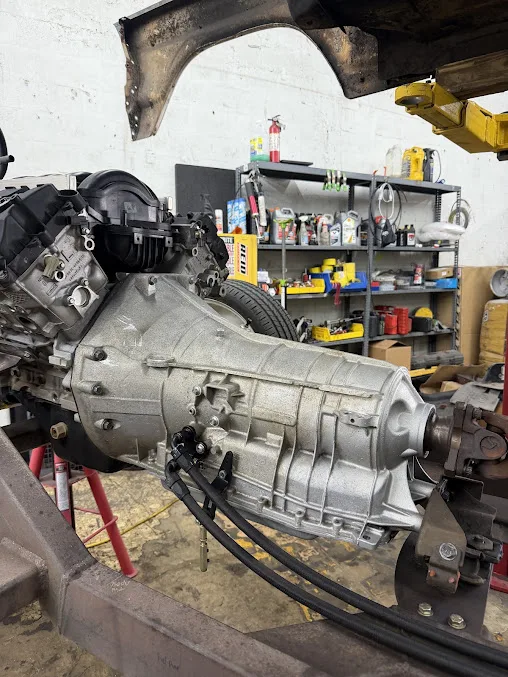
The method
Why dry ice and not the alternatives
- Non-abrasive
Cleaning should not shorten the life of what you are cleaning. Because nothing scours the surface, a part can be cleaned again and again without wearing.
- Low moisture
Moisture is where rust and electrical faults start. Cleaning with dry ice keeps water off the part from start to finish.
- No secondary waste
Sand, soda and walnut shell all have to be swept and hauled. Dry ice leaves only the contaminant it removed.
- Often no teardown
Cleaning in place cuts the downtime. A machine that stays assembled is back in service sooner than one that had to be stripped and rebuilt.
More removal work
Related jobs we get called for
Questions we get asked first
Will it damage the surface underneath?
It should not. Unlike sand or grit, the pellet does not cut into the material. It shocks the deposit loose with cold and then turns to gas. On anything delicate or unusual we try a hidden area first.
Do you have to take the equipment apart for resin removal with dry?
Sometimes a guard or a cover comes off so we can get the nozzle where it needs to go. Full teardown is rare. We will tell you which parts, if any, before the day of the job.
How much mess does it make?
Your floor stays dry and the corners stay free of grit. What does come off is collected by us before we pack up the rig.
Do you come to us?
Yes, and nothing of yours needs to move. The equipment rides with us, and we travel across South Florida from Miami, out to about the hundred-mile mark.
What does a job cost?
Honestly, it depends, and we would rather not quote blind. A few photos and a sentence about the access usually give us enough to price it properly.
How soon can you look at it?
Pictures get you an answer fastest. A few clear shots of the equipment and the buildup usually tell us enough to talk timing on the first call, before anyone drives out.
The comparison
What the alternatives actually do
- Media blasting
Grit removes material to do its job, so a machined face or a plated part pays for the cleaning.
- Pressure washing
Drives water into harnesses, bearings, panels and seams, then everything waits to dry. On electrical work it is simply not an option.
- Solvent and degreaser
Chemistry works, but you inherit ventilation, waste handling and a film on the surface.
- Hand scraping
It is the fallback when nothing else is available, and it shows on the surface afterward.
- Dry ice
The deposit shrinks away from the surface it is stuck to and releases. The ice is gone before it can do any harm.
What comes off
The deposits we see most
If you are not sure what you are dealing with, start here. These are the deposits most of our jobs come down to.
- Grease and oil
The soft film that holds dust and swarf against metal. It is what makes a part feel dirty long after it looks clean, and it comes off first.
- Carbon and soot
Hard black buildup on weld cells, ovens and engine parts. Fast cooling cracks it loose from the surface instead of grinding it off.
- Adhesive and sealant
Whatever the last repair left stuck to the mating face: gasket, sealant, deadener or adhesive.
- Resin and mold release
Hardened resin on a fixture shrinks under the cold and lets go, and the metal under it does not lose any material.
- Paint and coatings
Taken off in a controlled way when what is underneath matters more than speed.
- Salt and corrosion product
A constant in South Florida. Removing it without stripping the protective finish is the whole trick.
- Ink and printing residue
Ink and coating on anilox and press rollers, surfaces where changing the texture changes the print.
How a job runs
What happens once you call
There are no surprises built into how we work. Read the steps once and you will know what to expect on the day.
- We look at access and containment
Siting the compressor, masking what must not be touched, and catching what comes off, settled before the first pellet.
- We test a small area
Rubber, plastic trim and wiring insulation react differently from metal. If any of that sits near the dirty area, the test checks it too, so we know where to back the pressure off or mask instead.
- We blast, then clean up
Nothing is left of the pellet, so the only thing to collect is what was on your equipment. That collection is part of the work we quoted.
- You look before we pack up
Walk it with us before the hose goes away. A second pass while the compressor is still running costs nothing; a return visit costs us both.
- You describe the job
Tell us the machine, the mess and the constraint. A couple of photos answers more than a long description, and if the honest answer is that something else suits it better, we say so.
What happens in your space
Plan a short pause after we finish. The surface is cold, and depending on the part and the air around it, you may see condensation until it settles back to normal.
There is nothing to connect on your end. The truck carries what the blaster needs, so setup is quick once we are parked.
We cover what should not be hit before anything gets blasted. It takes minutes and saves arguments.
Part of every indoor job is airflow. Dry ice turns from solid to gas without leaving residue, and that gas displaces oxygen in a closed area. We plan for it at the start, the same way we plan the hose run.

Send us the job.
A couple of photos and a line about the job gets things moving. You will deal with the people who do the work.