Home / Service areas / Hendry County / Pioneer Plantation
Hendry County · Florida
Pioneer Plantation dry ice blasting
Pioneer Plantation calls tend to arrive with a constraint attached, which is exactly where this method earns its keep.
What a job looks like locally
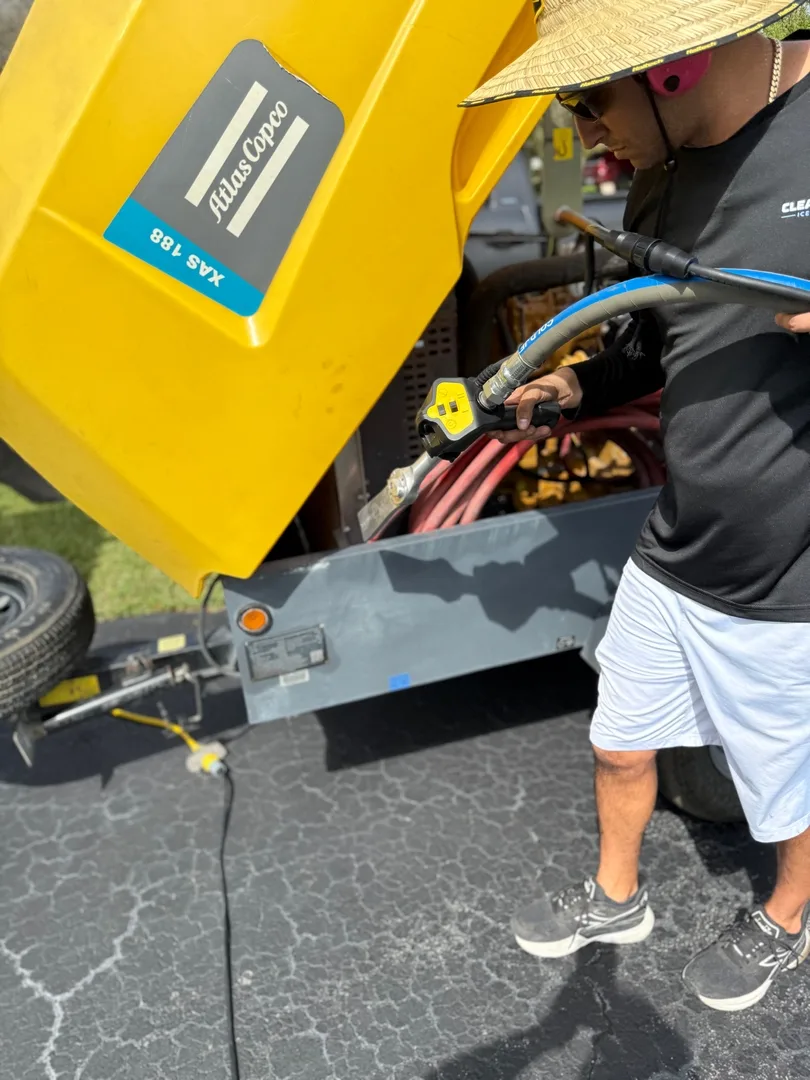
The compressor runs off the truck, so there is no wash pad to find and no runoff to manage. That is the practical reason a mobile rig beats hauling equipment somewhere: the machine never leaves Pioneer Plantation.
Because the media disappears on impact, there is nothing abrasive left in a bearing and nothing to shovel up afterward. Whatever came off the surface is ours to gather before we leave.
What we clean
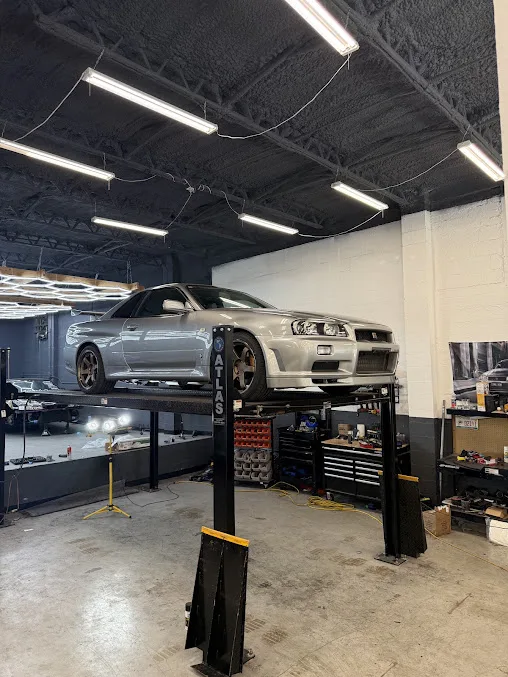
What we clean in and around Pioneer Plantation
Questions from Pioneer Plantation
What does the site need to have?
Just access and parking. There is no tap to find, no drain to use and nothing of yours to plug into.
Can you work around our schedule?
Usually. Tell us the window you have, including overnight or a planned shutdown, and we will tell you honestly what fits in it.
Who calls you around here?
It ranges from a single restoration project to a plant maintenance window. The method does not change much.
Do you charge for the drive?
Sometimes, on the longer runs. Either way it is discussed before anyone commits.
How do I get started?
Send the equipment, the location and a short description with photos if you have them. One of the owners calls you back.
Is Pioneer Plantation in your area?
Yes. Pioneer Plantation is inside our regular working area, and the rig travels to the job rather than the other way round.
Why Pioneer Plantation equipment ends up like this
Salt carries a long way inland here, and it keeps working on metal every day of the year. Which is exactly the situation where a non-abrasive, low-moisture method is worth the call.
Shops, marine yards, warehouses and home garages all end up with the same problem in different forms. Whatever the setting, the rig arrives with its own compressor and containment, so nothing about the site has to change to accommodate us.
No runoff and no residual grit, which matters more than it sounds on a Hendry County job with neighbors close by.
What comes off
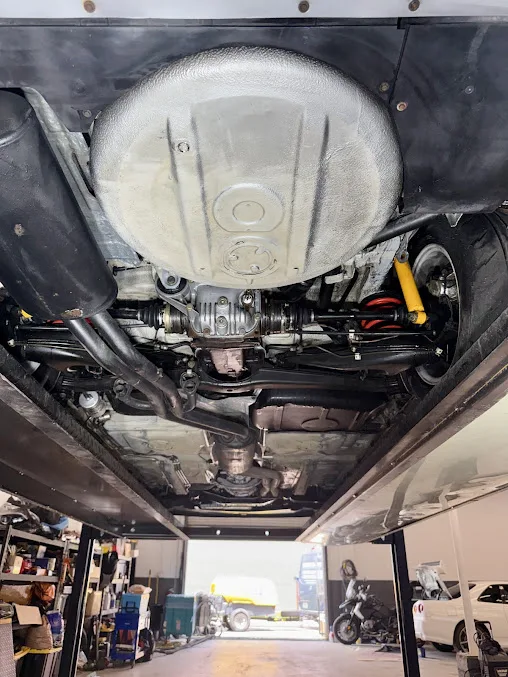
What this takes off
The method does not care much what the contaminant is, only that it sits on top of something. Here is the usual list.
- Carbon and soot
Heat-bonded black deposit. Because heat put it there, a sudden cold front is what breaks its grip.
- Adhesive and sealant
Bonded material that outlived whatever it was bonding, usually harder to shift than the part it is on.
- Resin and mold release
Release agent and resin build-up on tooling, where a solvent fix trades one residue for another.
- Paint and coatings
Removed selectively where the substrate underneath has to survive, which rules out most abrasive approaches.
- Salt and corrosion product
Salt deposit and the oxidation it starts. Anything abrasive removes the protection along with the salt.
- Ink and printing residue
Ink and coating on anilox and press rollers, surfaces where changing the texture changes the print.
- Food residue
Burnt-on product, fat and sugar on processing gear, with no chemical residue left on a contact surface.
How a job runs
The sequence, start to finish
There is no mystery to how these jobs run, and no part of it we would rather you did not ask about.
- We look at access and containment
Siting the compressor, masking what must not be touched, and catching what comes off, settled before the first pellet.
- We test a small area
Pressure and pellet size get dialed in on an inconspicuous spot before we touch anything visible. Painted parts, soft alloys and older finishes all behave differently, and the right setting on one is the wrong setting on another.
- We blast, then clean up
The ice is gone the moment it does its work. What stays behind is the grease or carbon that came off, and collecting that is part of the job, not an extra.
- You look before we pack up
Inspect it with the rig still set up. Anything you are not happy with gets another go before we leave.
- You describe the job
The machine, the deposit and the downtime you can afford. Those three things decide the whole job, and we would rather know all of them before quoting.
The comparison
The other ways to do this
- Pressure washing
The water has to go somewhere, and on most equipment that somewhere is inside it.
- Solvent and degreaser
Chemistry works, but you inherit ventilation, waste handling and a film on the surface.
- Hand scraping
Slow, inconsistent, and the tool marks the surface. Fine for a small area, unworkable across a machine.
- Media blasting
It works by removing material, which is the problem. Acceptable on heavy steel, damaging on soft alloy, plating or a machined surface.
- Dry ice
Thermal contraction cracks the bond between deposit and surface, then the pellet gasses off. Nothing abrasive, nothing wet, nothing left.
Before we turn the rig on
Dry ice is carbon dioxide in solid form. It is non-toxic and leaves no residue, but it does displace oxygen in an enclosed space, so ventilation is part of the setup rather than an afterthought.
Expect noise. Everybody inside the working area wears hearing protection, us included.
Surfaces come out cold. On some jobs that means waiting a few minutes before handling, and on others it means condensation as the part returns to ambient temperature.
The rig needs compressed air, which the truck supplies. There is no hookup to find and nothing of yours to plug into.
Describe what you are dealing with.
Send the equipment, the location and a short description. Photos help. You will hear back from Giancarlo or Kenny, not a call center.