Home / Service areas / Miami-Dade County / North Bay Village
Miami-Dade County · Florida
North Bay Village dry ice blasting
North Bay Village work comes to us the same way most of it does: something is coated in build-up and cannot be sanded, soaked or dissolved.
How the work runs here
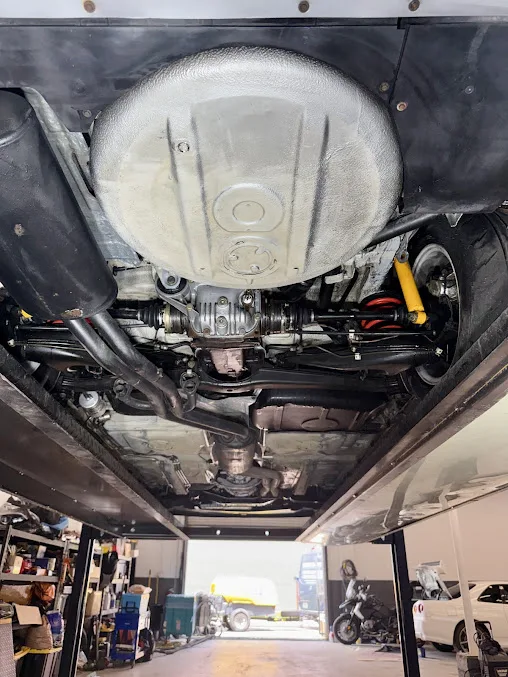
We work on driveways, in yards and inside shops that cannot take water on the floor. It is also why nothing has to be crated up and driven across town, the work happens where the machine already sits in North Bay Village.
Nothing of the ice survives the blast. That removes the entire cleanup problem every other method creates, leaving only the deposit that came off the equipment.
What we clean
Where this method earns its keep in North Bay Village
Nearby
Also working across Miami-Dade County
Questions from North Bay Village
Is North Bay Village in your area?
Yes, North Bay Village is well within range, and the compressor comes on the truck with everything else.
What does the site need to have?
Access to the equipment and somewhere to park the compressor. No water hookup, no drain and no wash bay.
Can you work around our schedule?
Most of the time. Shutdowns and after-hours work are normal for us; what matters is knowing the window early.
Who calls you around here?
Everything from an engine bay in a driveway to a production line at shutdown. The process is the same, pointed at a different problem.
Does distance affect the price?
Distance can factor in. You will hear about it up front, not on the invoice.
How do I get started?
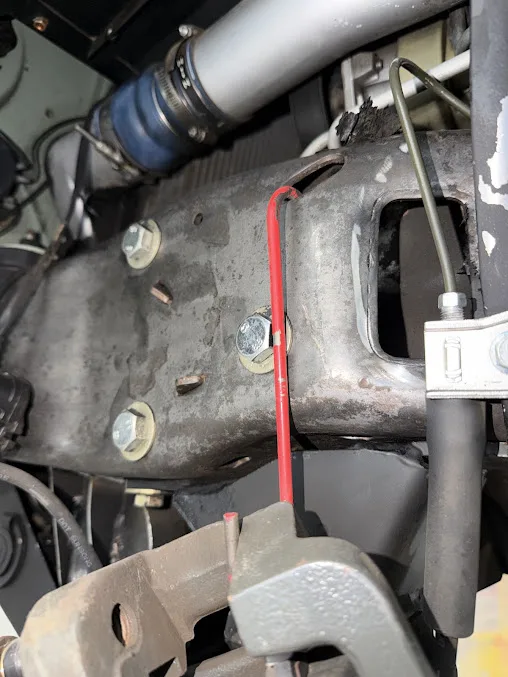
Describe the job and send a photo or two. Giancarlo or Kenny will call you, not a scheduler.
Why North Bay Village equipment ends up like this
Humidity is the constant. Anything bare oxidizes faster than it would almost anywhere else. So the job is usually less about scrubbing harder and more about not making the underlying problem worse.
The mix here runs from vehicle work in driveways to production equipment inside industrial units. The setup is the same in all of them, because everything the job needs turns up on the van.
With no slurry to contain and no media to recover, a confined Miami-Dade County site stops being a problem.

What comes off
The deposits we see most
This list covers the bulk of what people ask us about. All of it is buildup sitting on top of something worth keeping.
- Adhesive and sealant
Bonded material that outlived whatever it was bonding, usually harder to shift than the part it is on.
- Resin and mold release
Release agent and resin build-up on tooling, where a solvent fix trades one residue for another.
- Paint and coatings
Removed selectively where the substrate underneath has to survive, which rules out most abrasive approaches.
- Salt and corrosion product
The year-round problem on the coast. The finish holding corrosion back has to survive the cleaning.
- Ink and printing residue
Dried ink on precision roller faces, cleaned without altering the cell structure that does the work.
- Food residue
Carbonized product, fat, starch and sugar build-up on processing equipment, cleaned without chemicals touching a food contact surface.
- Grease and oil
The greasy base coat that traps grit and dust. It releases early and takes the loose material with it.
How a job runs
What happens once you call
No fine print here. This is how a typical job runs, written so someone who has never seen it done can follow along.
- We look at access and containment
Sometimes a little has to move before we can reach the dirty part, a guard or a cover. We agree on that with you in advance so nobody is surprised when a panel comes off.
- We test a small area
The test is short and it is never skipped. Getting the pressure and pellet size wrong on a visible face is the one mistake this method can make, and a hidden patch is how we keep from making it.
- We blast, then clean up
Nothing is left of the pellet, so the only thing to collect is what was on your equipment. That collection is part of the work we quoted.
- You look before we pack up
Walk it with us before the hose goes away. A second pass while the compressor is still running costs nothing; a return visit costs us both.
- You describe the job
Describe the equipment and the mess. If it cannot come offline that changes the plan, so say so early.
The comparison
The other ways to do this
- Solvent and degreaser
It loosens the mess and leaves its own behind, along with fumes and something to dispose of.
- Hand scraping
Fine on a patch, hopeless on a machine, and the blade leaves its own evidence.
- Media blasting
It works by removing material, which is the problem. Acceptable on heavy steel, damaging on soft alloy, plating or a machined surface.
- Pressure washing
It is fast and it is wet, which is fine outdoors and unusable on anything with a winding in it.
- Dry ice
Cold breaks the bond and the media vanishes. The substrate is untouched and there is no second mess to clean up.
What happens in your space
This is not a quiet method. Ear defenders are standard issue on site for anyone nearby.
Once we stop, the surface stays cold for a while. That is normal, and it is the only thing left behind.
Air comes from our own compressor. You do not need to provide power, water or a connection of any kind.
Masking happens first. Whatever is adjacent and vulnerable gets covered before the hose is picked up.
Tell us what needs cleaning.
A few lines and a picture are plenty. Your message goes straight to Giancarlo or Kenny, the two owners of the business.