Home / Service areas / Okeechobee County / Cypress Quarters
Okeechobee County · Florida
Cypress Quarters dry ice blasting
Cypress Quarters work comes to us the same way most of it does: something is coated in build-up and cannot be sanded, soaked or dissolved.
What a job looks like locally
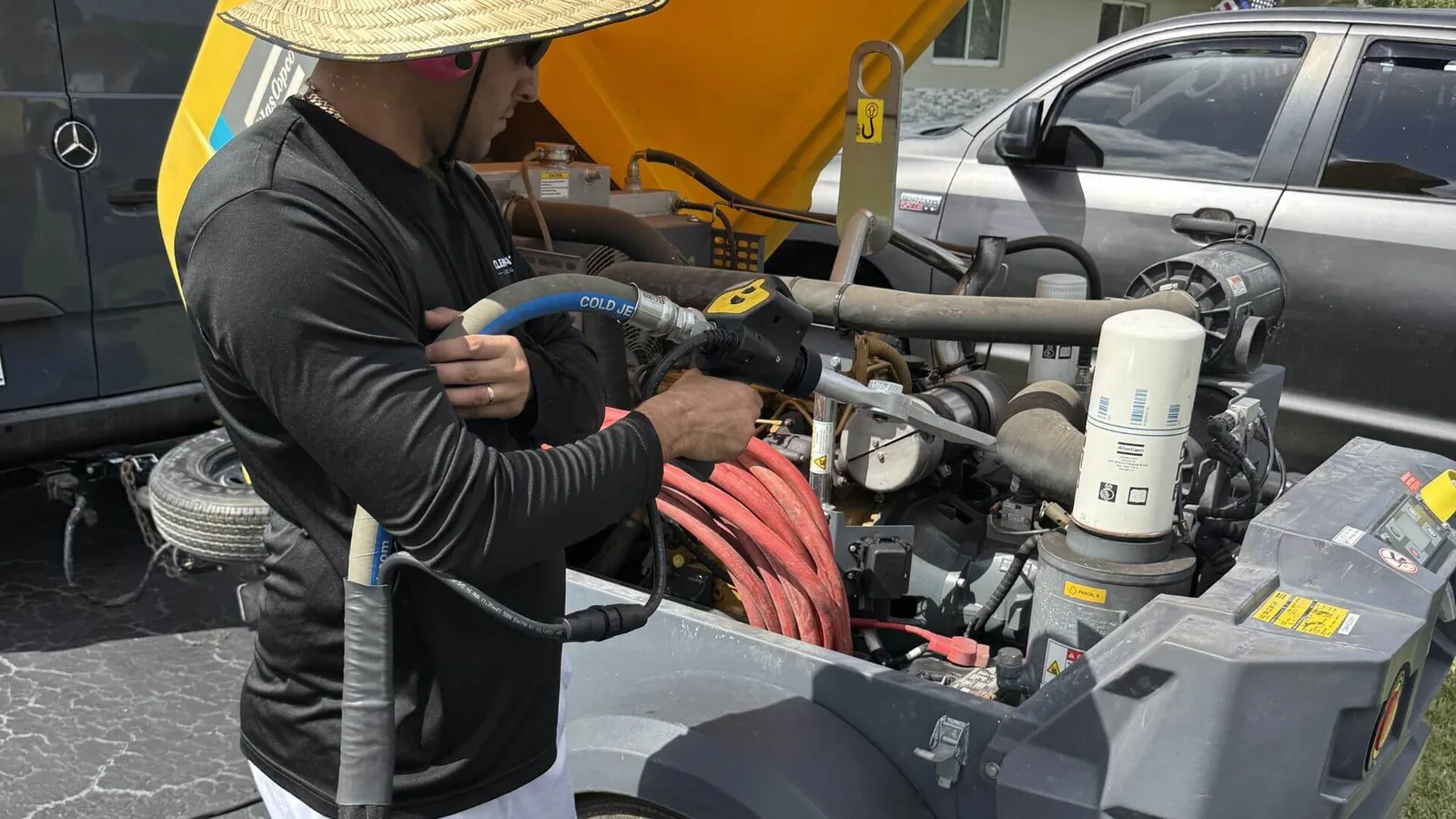
Nothing about the setup needs a drain, a hookup or a bay. That is the practical reason a mobile rig beats hauling equipment somewhere: the machine never leaves Cypress Quarters.
Because the media disappears on impact, there is nothing abrasive left in a bearing and nothing to shovel up afterward. Whatever came off the surface is ours to gather before we leave.
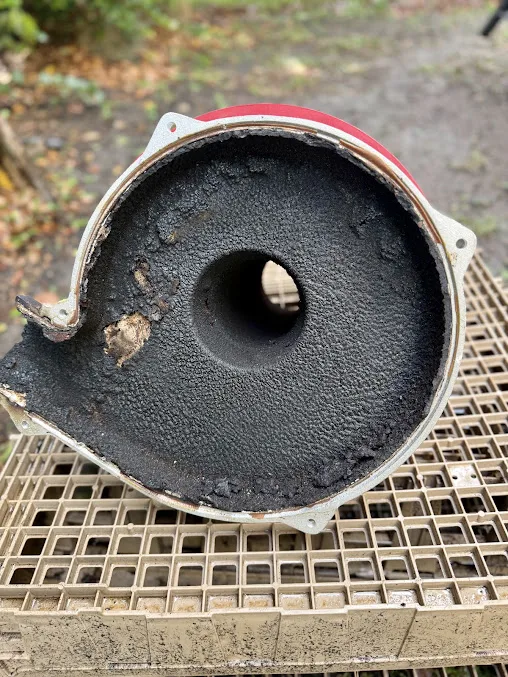
What we clean
What we clean in and around Cypress Quarters
Questions from Cypress Quarters
Do you cover Cypress Quarters?
We do. The whole point of a mobile setup is that Cypress Quarters is no further than any other stop on the schedule.
What do we have to provide?
Just access and parking. There is no tap to find, no drain to use and nothing of yours to plug into.
Will you work during a shutdown?
Usually. Tell us the window you have, including overnight or a planned shutdown, and we will tell you honestly what fits in it.
What kinds of jobs do you take here?
It ranges from a single restoration project to a plant maintenance window. The method does not change much.
Do you charge for the drive?
Sometimes, on the longer runs. Either way it is discussed before anyone commits.
What is the first step?
Describe the job and send a photo or two. Giancarlo or Kenny will call you, not a scheduler.
Conditions around Cypress Quarters
The heat matters more than people expect: baked-on residue cures harder in a South Florida summer. That is why so much of the work is removing what has bonded to a surface without taking the surface with it.
Light industrial, automotive and marine make up most of what we are called out for. None of those settings need modifying: the compressor, hose and collection all come with us.
No runoff and no residual grit, which matters more than it sounds on a Okeechobee County job with neighbors close by.
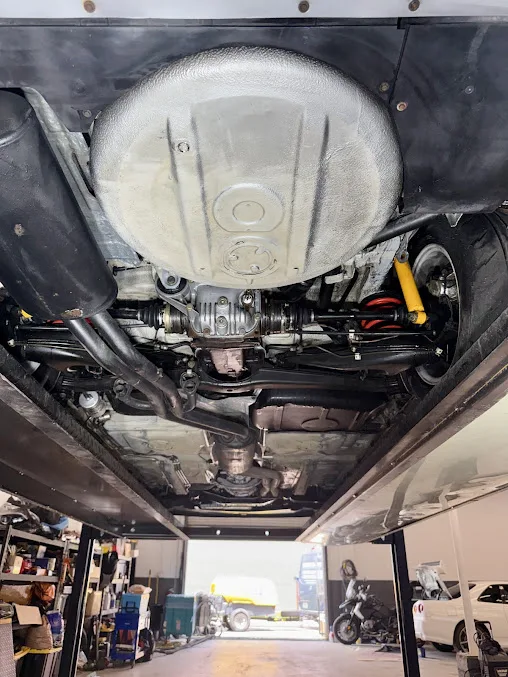
What comes off
What this takes off
The method does not care much what the contaminant is, only that it sits on top of something. Here is the usual list.
- Grease and oil
Oil film is the layer everything else sticks to. Remove it and half the job is already done.
- Carbon and soot
Heat-bonded black deposit. Because heat put it there, a sudden cold front is what breaks its grip.
- Adhesive and sealant
Bonded material that outlived whatever it was bonding, usually harder to shift than the part it is on.
- Resin and mold release
Release agent and resin baked onto tooling. It comes off without the soaking time solvent needs, and without anything wet left behind.
- Paint and coatings
Removed selectively where the substrate underneath has to survive, which rules out most abrasive approaches.
- Salt and corrosion product
Salt deposit and the oxidation it starts. Anything abrasive removes the protection along with the salt.
- Ink and printing residue
Dried ink and coating build-up on rollers and press components, where the surface texture is the product.
How a job runs
The sequence, start to finish
There is no mystery to how these jobs run, and no part of it we would rather you did not ask about.
- You look before we pack up
The job is not finished because we say so. It is finished when you have looked at it.
- You describe the job
Send images if you can, they settle most of the questions. A wrong-tool verdict comes on that first call, not after the invoice.
- We look at access and containment
Hose run, compressor position, what needs masking, and where the contaminant is collected. For food and electrical jobs the containment plan takes longer to settle than the blasting does.
- We test a small area
Rubber, plastic trim and wiring insulation react differently from metal. If any of that sits near the dirty area, the test checks it too, so we know where to back the pressure off or mask instead.
- We blast, then clean up
There is no spent media to recover, only the deposit, which we collect before packing up.
The comparison
How this compares to the usual methods
- Media blasting
Cuts into the substrate by design. Fine on structural steel, wrong on aluminum, plating, machined faces or anything with a tolerance.
- Pressure washing
Pressure pushes moisture past seals and into connectors, and then you wait. Panels and motors rule it out.
- Solvent and degreaser
Good at softening, bad at leaving. There is always a residue and always a drum to get rid of.
- Hand scraping
Slow, inconsistent, and the tool marks the surface. Fine for a small area, unworkable across a machine.
- Dry ice
The pellet is soft and the mechanism is temperature, not abrasion. It turns to gas on impact, so the only thing left to sweep up is what came off.
Before we turn the rig on
The rig needs compressed air, which the truck supplies. There is no hookup to find and nothing of yours to plug into.
Masking happens first. Whatever is adjacent and vulnerable gets covered before the hose is picked up.
The media is nothing more than frozen CO2, so there is no chemical to worry about and nothing to wipe off afterward. The precaution that matters is air. In a closed room the gas displaces oxygen, and ventilation is built into the setup.
Expect noise. Everybody inside the working area wears hearing protection, us included.
Describe what you are dealing with.
Start with the location and the problem. Photos are a bonus. Every call back comes from Giancarlo or Kenny, the two firefighters who own the company.