Home / Service areas / Palm Beach County / North Palm Beach
Palm Beach County · Florida
North Palm Beach dry ice blasting
North Palm Beach work comes to us the same way most of it does: something is coated in build-up and cannot be sanded, soaked or dissolved.
How we work in this area
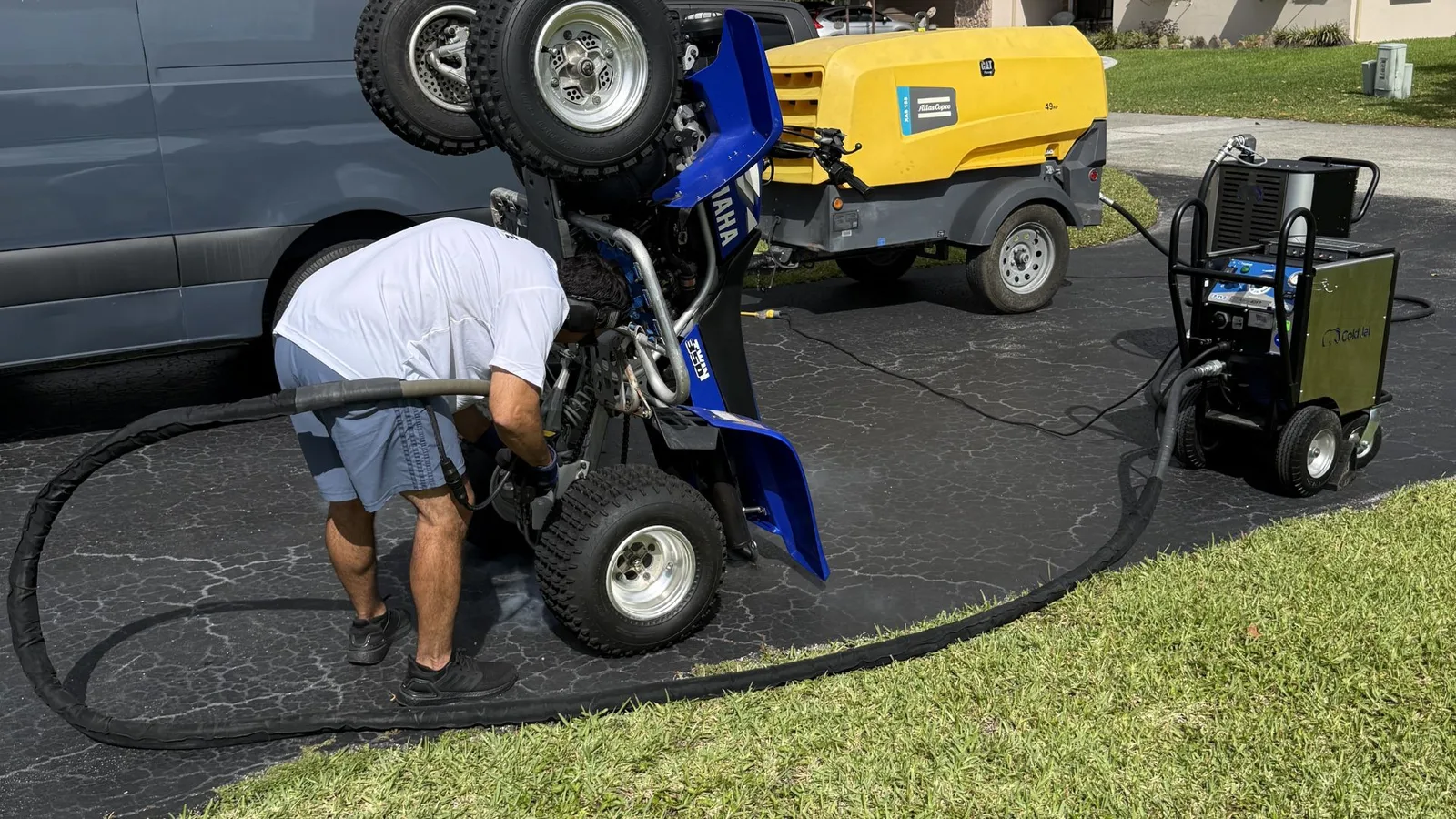
Everything arrives on the van: compressor, hose, operator and containment. So the equipment stays put. Everything that has to move arrives on the truck instead.
The pellet turns straight to gas when it hits, which means no sand in the machine and no sludge on the floor. The only thing to collect is the contaminant itself, and that is included.
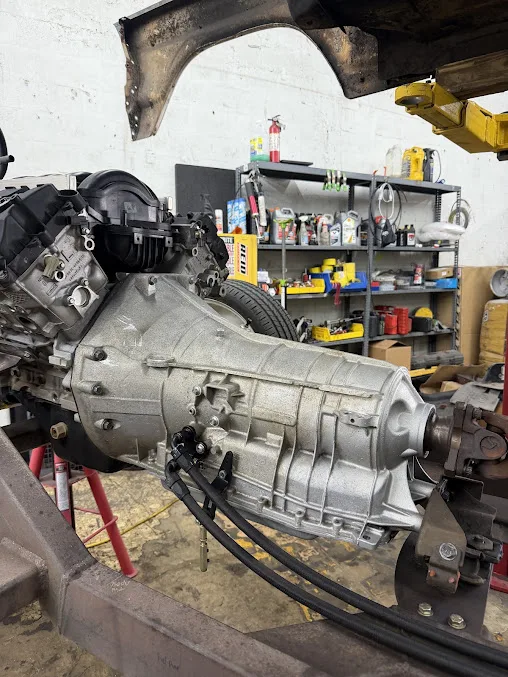
What we clean
What we get called for in North Palm Beach
Nearby
Also working across Palm Beach County
Questions from North Palm Beach
How do we book it in?
A short description and a couple of pictures is enough to start. An owner rings you back.
Is North Palm Beach in your area?
We do. The whole point of a mobile setup is that North Palm Beach is no further than any other stop on the schedule.
What does the site need to have?
Space for the rig and a way to reach the machine. Everything else arrives with us.
Can you work around our schedule?
Usually. Tell us the window you have, including overnight or a planned shutdown, and we will tell you honestly what fits in it.
Who calls you around here?
It ranges from a single restoration project to a plant maintenance window. The method does not change much.
Do you charge for the drive?
Sometimes, on the longer runs. Either way it is discussed before anyone commits.
Why North Palm Beach equipment ends up like this
Afternoon storms mean equipment that lives outside is wet, then hot, then wet again. It is also why an abrasive method costs you twice: once in the cleaning, again in the finish you removed.
Residential garages and small shops sit alongside the commercial work on any given week. In every case the truck brings its own air and its own containment, so you are not adapting the site to suit the method.
The pellet turns to gas, so nothing runs off toward a drain and nothing abrasive stays behind in a bearing. On a cramped Palm Beach County site that usually decides it.
What comes off
What dry ice actually removes
The rule of thumb is simple: anything stuck on rather than built in. These are the deposits we see most.
- Resin and mold release
Release agent and resin build-up on tooling, where a solvent fix trades one residue for another.
- Paint and coatings
Taken off in a controlled way when what is underneath matters more than speed.
- Salt and corrosion product
Salt deposit and the oxidation it starts. Anything abrasive removes the protection along with the salt.
- Ink and printing residue
Ink and coating on anilox and press rollers, surfaces where changing the texture changes the print.
- Food residue
Burnt-on product, fat and sugar on processing gear, with no chemical residue left on a contact surface.
- Grease and oil
Oil film is the layer everything else sticks to. Remove it and half the job is already done.
- Carbon and soot
Heat-hardened deposit on manifolds, grills and weld cells. A rapid temperature drop is what this kind of bond handles worst.
How a job runs
How a job actually runs
People ask what they are actually paying for. This is the full order of work, so you can picture the day before it arrives.
- We blast, then clean up
There is no spent media to recover, only the deposit, which we collect before packing up.
- You look before we pack up
If something needs another pass we do it then, on site, while the rig is still running. That is a better outcome for everyone than a callback.
- You describe the job
Describe the equipment and the mess. If it cannot come offline that changes the plan, so say so early.
- We look at access and containment
Noise travels. On a busy site we think about who else is nearby and when the loudest work should happen, so the people around you are not caught off guard.
- We test a small area
First pass goes somewhere out of sight. We look at it with you if you want, adjust if needed, and only then work the visible surfaces.
The comparison
The other ways to do this
- Hand scraping
Fine on a patch, hopeless on a machine, and the blade leaves its own evidence.
- Media blasting
Abrasive by definition. Anything with a tolerance or a finish worth keeping comes out changed.
- Pressure washing
Pressure pushes moisture past seals and into connectors, and then you wait. Panels and motors rule it out.
- Solvent and degreaser
Trades the deposit for a residue, plus ventilation and waste to deal with, and it is hard on the finish.
- Dry ice
Cold breaks the bond and the media vanishes. The substrate is untouched and there is no second mess to clean up.
What the job is like to stand next to
The cold is what does the cleaning, so some of it stays in the part for a while. Gloves help if you need to handle it right after we finish.
We do not tap into your shop. All the compressed air comes from our own unit, parked as close to the job as we can get.
Masking happens first. Whatever is adjacent and vulnerable gets covered before the hose is picked up.
The one thing the ice itself asks for is air. As the CO2 turns to gas it fills an enclosed space, which is why ventilation is part of our setup on every indoor job.
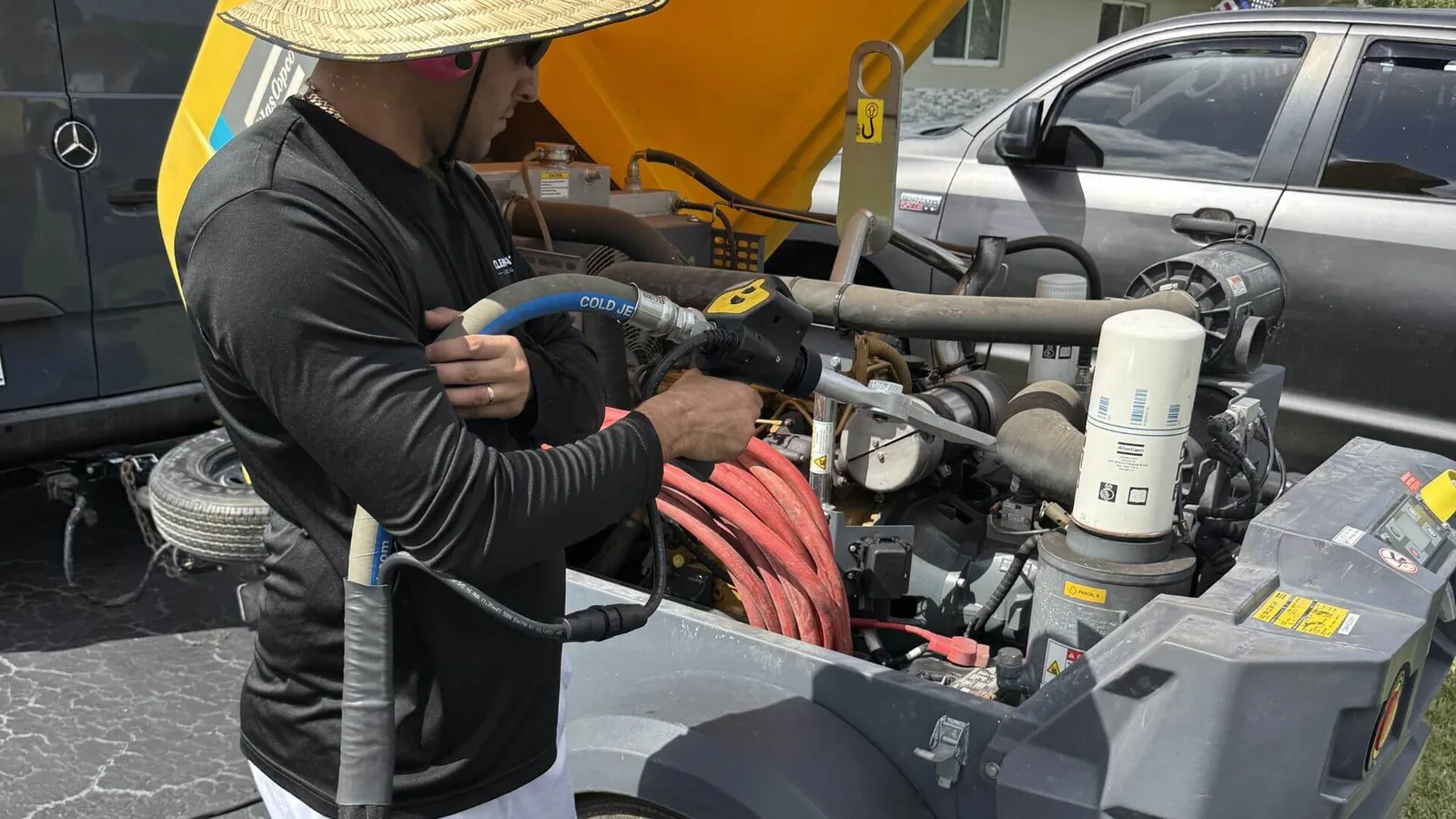
Send us the job.
Tell us what needs cleaning and where. A couple of pictures go a long way, and the person who answers is Giancarlo or Kenny, not an answering service.