Home / Service areas / Broward County / Carver Ranches
Broward County · Florida
Carver Ranches dry ice blasting
Most of what we clean around Carver Ranches is equipment somebody cannot afford to damage.
How we work in this area
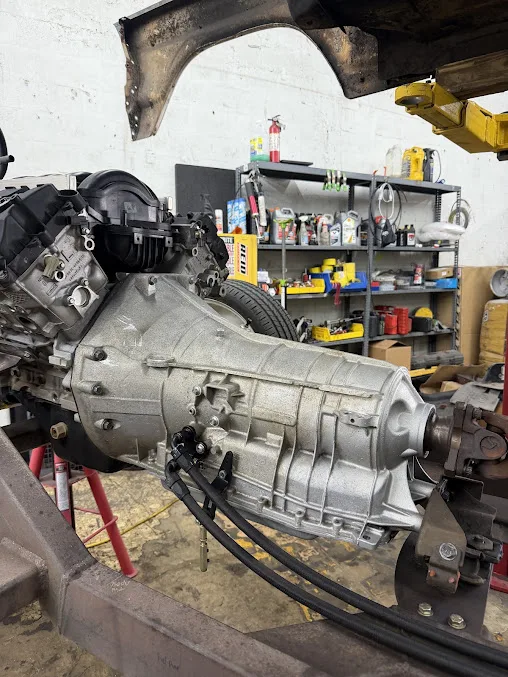
Nothing about the setup needs a drain, a hookup or a bay. So the equipment stays put. Everything that has to move arrives on the truck instead.
Solid to gas on impact. Nothing settles into a bearing, nothing runs toward a drain, and the only residue is what was already on the part.
What we clean
What we get called for in Carver Ranches
Nearby
Also working across Broward County
Questions from Carver Ranches
How do we book it in?
Describe the job and send a photo or two. Giancarlo or Kenny will call you, not a scheduler.
Will you travel to Carver Ranches?
Yes. Carver Ranches is inside our regular working area, and the rig travels to the job rather than the other way round.
Do you need anything set up before you arrive?
Access to the equipment and somewhere to park the compressor. No water hookup, no drain and no wash bay.
Can you come outside business hours?
Yes, within reason. Planned outages are easiest because everybody already knows the window.
What do most jobs look like?
A mix, vehicle work, shop equipment, marine and light industrial. Same rig, different constraint each time.
Does distance affect the price?
Distance can factor in. You will hear about it up front, not on the invoice.
The local conditions
Salt carries a long way inland here, and it keeps working on metal every day of the year. Which is exactly the situation where a non-abrasive, low-moisture method is worth the call.
Shops, marine yards, warehouses and home garages all end up with the same problem in different forms. The setup is the same in all of them, because everything the job needs turns up on the van.
The pellet turns to gas, so nothing runs off toward a drain and nothing abrasive stays behind in a bearing. On a cramped Broward County site that usually decides it.
What comes off
What dry ice actually removes
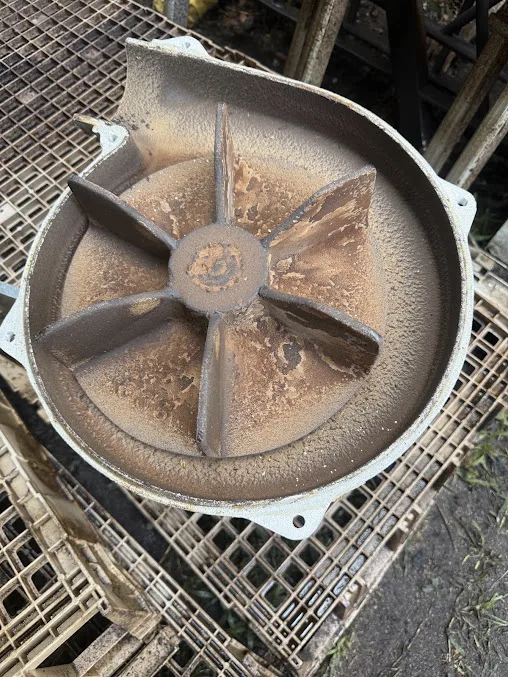
The rule of thumb is simple: anything stuck on rather than built in. These are the deposits we see most.
- Food residue
Burnt-on product, fat and sugar on processing gear, with no chemical residue left on a contact surface.
- Grease and oil
Oil film is the layer everything else sticks to. Remove it and half the job is already done.
- Carbon and soot
Smoke and soot residue on equipment that runs at temperature. The cold contracts the deposit and it lifts off without scratching what is underneath.
- Adhesive and sealant
Sealant squeezed out and cured where it was never supposed to set.
- Resin and mold release
Release agent and resin build-up on tooling, where a solvent fix trades one residue for another.
- Paint and coatings
Taken off in a controlled way when what is underneath matters more than speed.
- Salt and corrosion product
Salt deposit and the oxidation it starts. Anything abrasive removes the protection along with the salt.
How a job runs
How a job actually runs
Here is how a typical job goes, from the first call to the cleanup. We would rather you know it all before booking.
- We blast, then clean up
One mess instead of two: the pellet vanishes and we take away what it removed.
- You look before we pack up
A second pass while everything is still connected is free in every sense. A return trip is not.
- You describe the job
Describe the equipment and the mess. If it cannot come offline that changes the plan, so say so early.
- We look at access and containment
The layout decides the method more often than the contaminant does. We work out reach and containment before quoting anything.
- We test a small area
The test patch is where we earn the right to keep going. A few seconds somewhere hidden tells us whether the pellet size and pressure suit this finish or need adjusting.
The comparison
Why not just pressure wash it
- Hand scraping
Hours of work for an inconsistent result, with gouges where the blade slipped.
- Media blasting
Grit removes material to do its job, so a machined face or a plated part pays for the cleaning.
- Pressure washing
Forces water where water should not go, looms, bearings, seams, and then the job stops while it dries.
- Solvent and degreaser
It loosens the mess and leaves its own behind, along with fumes and something to dispose of.
- Dry ice
Cold breaks the bond and the media vanishes. The substrate is untouched and there is no second mess to clean up.
What the job is like to stand next to
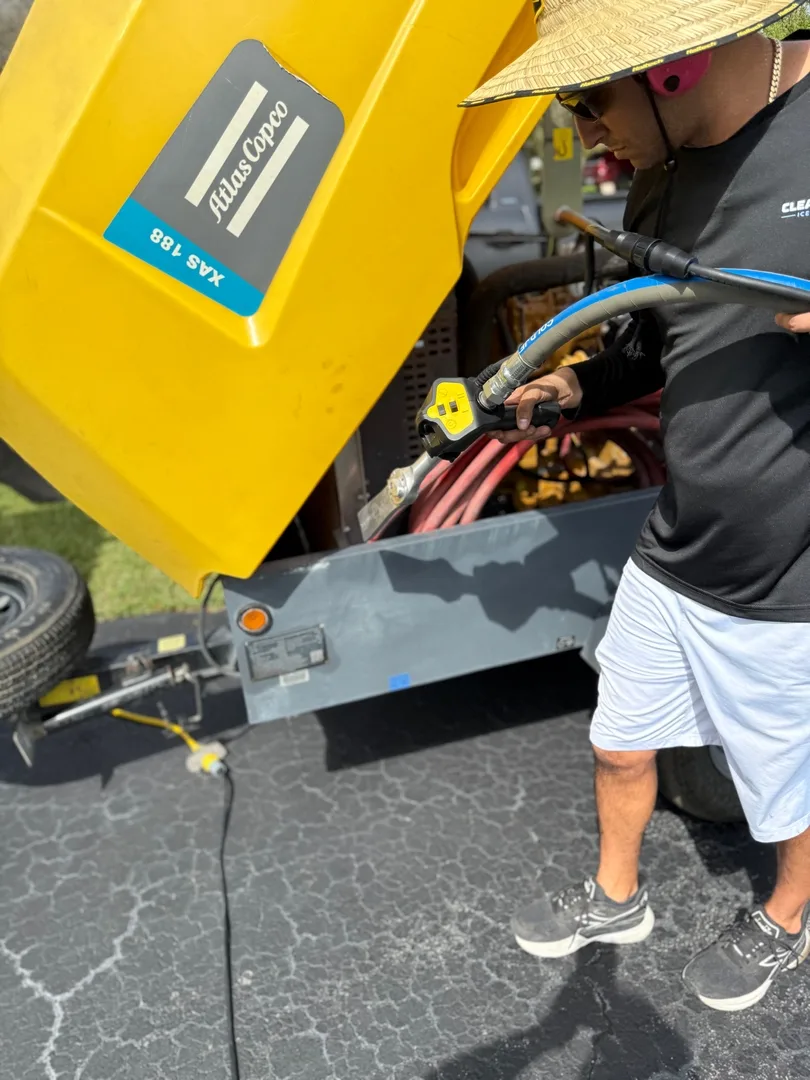
Your utilities stay untouched. The compressor on our truck feeds the blaster, so your power and air are never borrowed.
Anything nearby that should not be touched gets masked before we start. That is quicker than explaining it afterward.
Ventilation is part of how we plan the job from the first conversation. It is never a step we add halfway through after the room starts to feel stuffy.
If you want to watch, you are welcome to, from a safe distance and with hearing protection on. It is loud enough that conversation waits until we stop.
Tell us what needs cleaning.
Describe the job in plain words, no jargon needed. If dry ice is the wrong tool, you will hear that from us right away.