Home / Service areas / Palm Beach County / Manalapan
Palm Beach County · Florida
Manalapan dry ice blasting
Manalapan work comes to us the same way most of it does: something is coated in build-up and cannot be sanded, soaked or dissolved.
How the work runs here
Nothing about the setup needs a drain, a hookup or a bay. It is also why nothing has to be crated up and driven across town, the work happens where the machine already sits in Manalapan.
The pellet turns straight to gas when it hits, which means no sand in the machine and no sludge on the floor. The only thing to collect is the contaminant itself, and that is included.
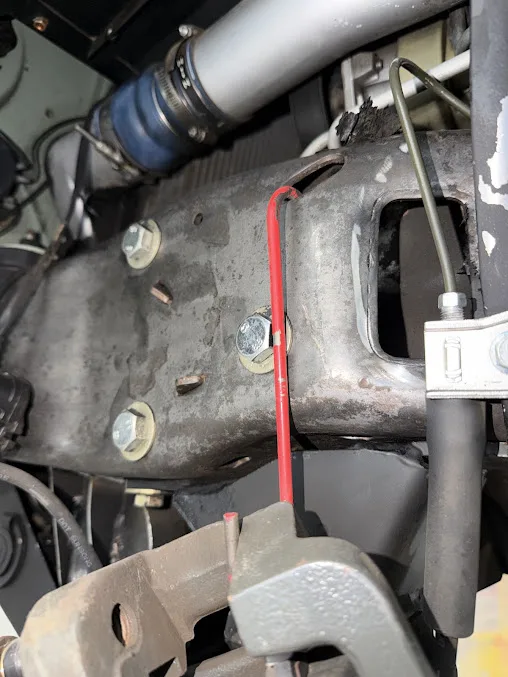
What we clean
Where this method earns its keep in Manalapan
Nearby
Also working across Palm Beach County
Questions from Manalapan
Do you charge for the drive?
Distance can factor in. You will hear about it up front, not on the invoice.
How do I get started?
Send the equipment, the location and a short description with photos if you have them. One of the owners calls you back.
Is Manalapan in your area?
Yes, Manalapan is well within range, and the compressor comes on the truck with everything else.
What does the site need to have?
Access to the equipment and somewhere to park the compressor. No water hookup, no drain and no wash bay.
Can you work around our schedule?
Usually. Tell us the window you have, including overnight or a planned shutdown, and we will tell you honestly what fits in it.
Who calls you around here?
Everything from an engine bay in a driveway to a production line at shutdown. The process is the same, pointed at a different problem.
Why Manalapan equipment ends up like this
Humidity is the constant. Anything bare oxidizes faster than it would almost anywhere else. So the job is usually less about scrubbing harder and more about not making the underlying problem worse.
The mix here runs from vehicle work in driveways to production equipment inside industrial units. Driveway or plant floor, the requirement is the same: room for the rig and access to the machine.
With no slurry to contain and no media to recover, a confined Palm Beach County site stops being a problem.
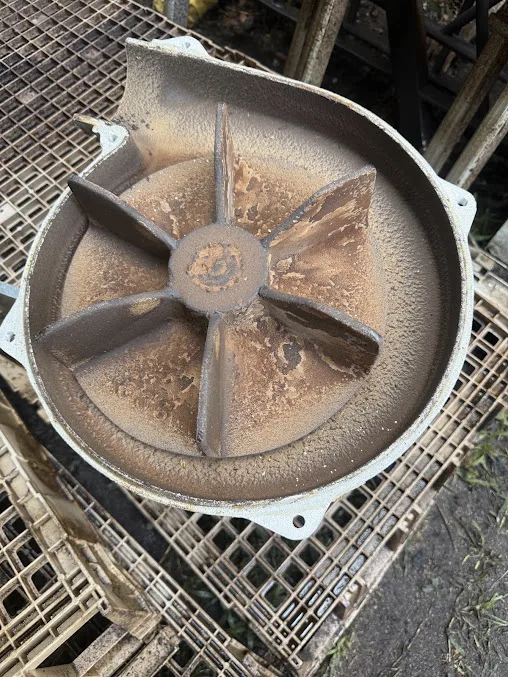
What comes off
The deposits we see most
If you are not sure what you are dealing with, start here. These are the deposits most of our jobs come down to.
- Ink and printing residue
Ink and coating on anilox and press rollers, surfaces where changing the texture changes the print.
- Food residue
Carbonized product, fat, starch and sugar build-up on processing equipment, cleaned without chemicals touching a food contact surface.
- Grease and oil
Oil film is the layer everything else sticks to. Remove it and half the job is already done.
- Carbon and soot
Black buildup from heat and smoke on burners, housings and fixtures. Thermal shock does the work here, with no grit grinding at the part.
- Adhesive and sealant
Sound deadening, tape residue, gasket material and sealant that has cured onto a face it was never meant to stay on.
- Resin and mold release
Release agent builds up in thin layers until it shows on the finished part. We clean it off the tool without scratching the surface.
- Paint and coatings
Selective removal, layer by layer, on parts where media blasting would cut into the substrate.
How a job runs
What happens once you call
Here is what a job looks like from our side. Ask about any of it; none of it is a trade secret.
- We look at access and containment
Siting the compressor, masking what must not be touched, and catching what comes off, settled before the first pellet.
- We test a small area
The hidden test also shows how fast the buildup comes off, which tells us how long the full job should take and whether the plan still makes sense.
- We blast, then clean up
The ice is gone on impact. What is on the floor afterward came off your machine, and clearing it is ours to do.
- You look before we pack up
Walk it with us before the hose goes away. A second pass while the compressor is still running costs nothing; a return visit costs us both.
- You describe the job
Send images if you can, they settle most of the questions. A wrong-tool verdict comes on that first call, not after the invoice.
The comparison
The other ways to do this
- Solvent and degreaser
Good at softening, bad at leaving. There is always a residue and always a drum to get rid of.
- Hand scraping
Hours of work for an inconsistent result, with gouges where the blade slipped.
- Media blasting
It works by removing material, which is the problem. Acceptable on heavy steel, damaging on soft alloy, plating or a machined surface.
- Pressure washing
Pressure pushes moisture past seals and into connectors, and then you wait. Panels and motors rule it out.
- Dry ice
The deposit shrinks away from the surface it is stuck to and releases. The ice is gone before it can do any harm.
What happens in your space
The piece will feel like it came out of a freezer. Thin parts warm up quickly, while thick castings take longer and may collect some condensation along the way.
The rig is self-contained. Park us within reach of the job and we are ready to work without borrowing anything from your site.
We cover what should not be hit before anything gets blasted. It takes minutes and saves arguments.
Solid CO2 leaves no film and nothing poisonous behind. In a sealed room, though, the gas it becomes takes the place of oxygen, and that is something we plan for ahead of time.
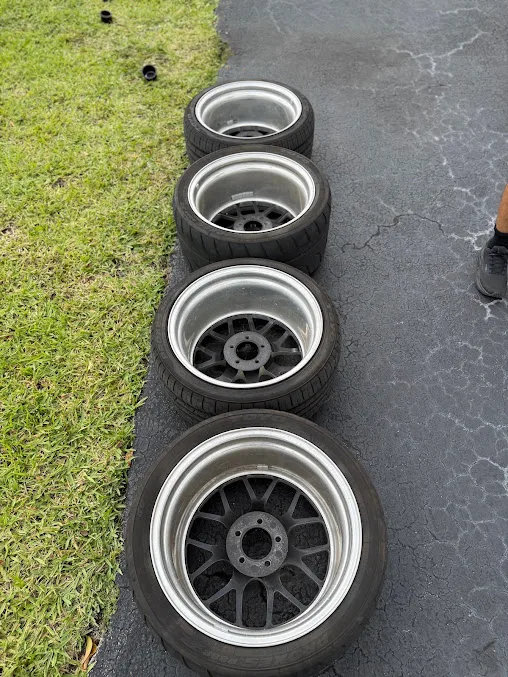
Send us the job.
Give us the location and a description of the problem. Photos speed things up. Giancarlo or Kenny handles every inquiry.