Home / Service areas / Palm Beach County / Riviera Beach
Palm Beach County · Florida
Riviera Beach dry ice blasting
Riviera Beach work comes to us the same way most of it does: something is coated in build-up and cannot be sanded, soaked or dissolved.
How the work runs here
We work on driveways, in yards and inside shops that cannot take water on the floor. It is also why nothing has to be crated up and driven across town, the work happens where the machine already sits in Riviera Beach.
Nothing of the ice survives the blast. That removes the entire cleanup problem every other method creates, leaving only the deposit that came off the equipment.
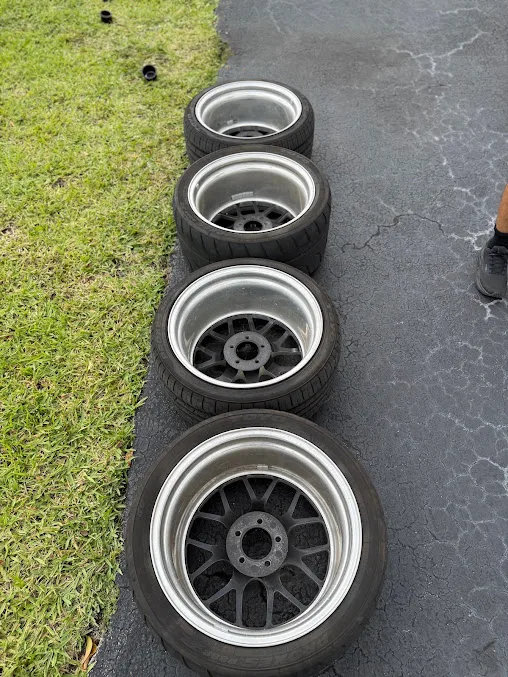
What we clean
Where this method earns its keep in Riviera Beach
Nearby
Also working across Palm Beach County
Questions from Riviera Beach
Can you come outside business hours?
Generally yes. Weekend and overnight work is routine, and the limiting factor is usually noise, not us.
What do most jobs look like?
It ranges from a single restoration project to a plant maintenance window. The method does not change much.
Does distance affect the price?
It depends how far out the job is. We will be straight with you about it when you describe the work.
How do I get started?
Describe the job and send a photo or two. Giancarlo or Kenny will call you, not a scheduler.
Will you travel to Riviera Beach?
We do. The whole point of a mobile setup is that Riviera Beach is no further than any other stop on the schedule.
Do you need anything set up before you arrive?
Access to the equipment and somewhere to park the compressor. No water hookup, no drain and no wash bay.
The local conditions
Afternoon storms mean equipment that lives outside is wet, then hot, then wet again. It is also why an abrasive method costs you twice: once in the cleaning, again in the finish you removed.
Residential garages and small shops sit alongside the commercial work on any given week. The setup is the same in all of them, because everything the job needs turns up on the van.
With no slurry to contain and no media to recover, a confined Palm Beach County site stops being a problem.
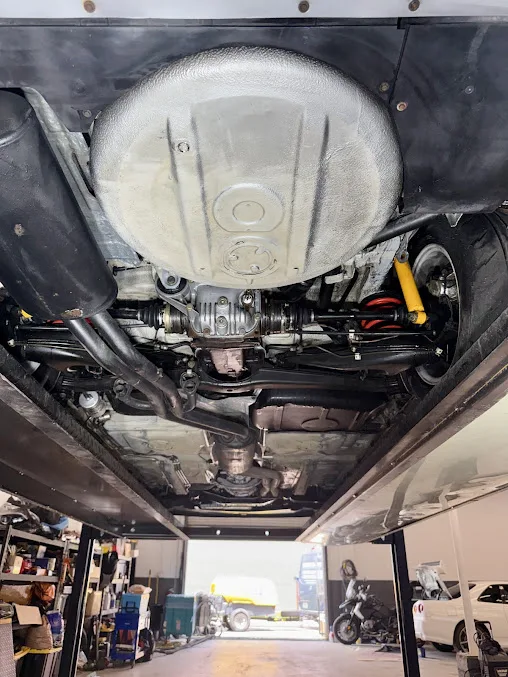
What comes off
The deposits we see most
Below is what we remove most often. What they share is a bond, and breaking bonds is what dry ice does.
- Grease and oil
Oil film is the layer everything else sticks to. Remove it and half the job is already done.
- Carbon and soot
Carbon that has been cooked on over months of use. It turns brittle in the cold, so it cracks away from the steel instead of being ground off it.
- Adhesive and sealant
Sound deadening, tape residue, gasket material and sealant that has cured onto a face it was never meant to stay on.
- Resin and mold release
Release agent and resin build-up on tooling, where a solvent fix trades one residue for another.
- Paint and coatings
Taken off in a controlled way when what is underneath matters more than speed.
- Salt and corrosion product
A constant in South Florida. Removing it without stripping the protective finish is the whole trick.
- Ink and printing residue
Dried ink on precision roller faces, cleaned without altering the cell structure that does the work.
How a job runs
What happens once you call
No fine print here. This is how a typical job runs, written so someone who has never seen it done can follow along.
- You describe the job
Describe the equipment and the mess. If it cannot come offline that changes the plan, so say so early.
- We look at access and containment
Access drives the plan: reach, siting, masking, and the route the removed material takes off the job. It is the part customers think about least and we think about most.
- We test a small area
A factory finish, a repaint and bare steel can all sit on the same piece of equipment. Each one gets checked in a hidden spot first, because a setting that is safe on one can mark the next.
- We blast, then clean up
Once the blasting stops, the only thing on the floor is what came off your equipment. We sweep and collect it before we pack up, and that is included.
- You look before we pack up
Walk it with us before the hose goes away. A second pass while the compressor is still running costs nothing; a return visit costs us both.
The comparison
Why not just pressure wash it
- Media blasting
Abrasive by definition. Anything with a tolerance or a finish worth keeping comes out changed.
- Pressure washing
The water has to go somewhere, and on most equipment that somewhere is inside it.
- Solvent and degreaser
It dissolves the deposit and often the finish underneath, then leaves a film behind either way.
- Hand scraping
Hours of work for an inconsistent result, with gouges where the blade slipped.
- Dry ice
Thermal contraction cracks the bond between deposit and surface, then the pellet gasses off. Nothing abrasive, nothing wet, nothing left.
What happens in your space
Tight, low spaces are where this matters most. The gas is heavier than air and settles low, so we keep air moving through the space the whole time we are working.
As firefighters we are used to working in protective gear, and hearing protection is part of ours on every job. The process is loud and we treat it that way.
If you plan to put the part back to work right away, allow a few minutes. It comes off cold and may gather condensation before it reaches room temperature.
Your utilities stay untouched. The compressor on our truck feeds the blaster, so your power and air are never borrowed.
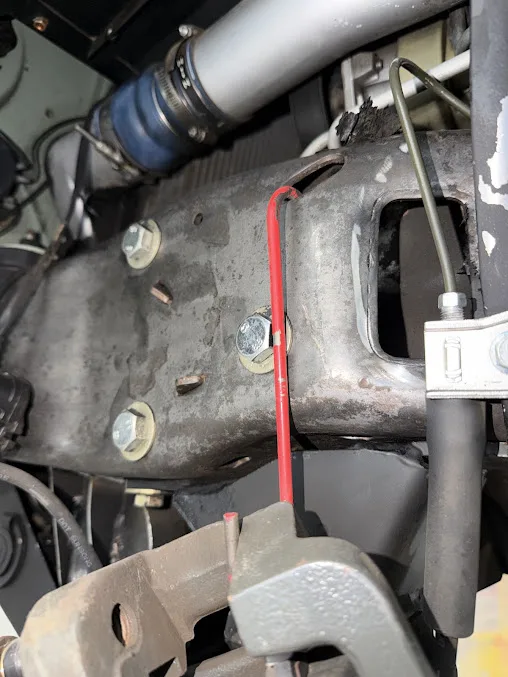
Tell us what needs cleaning.
Tell us what you are working on and what is stuck to it. If there is a deadline or a shutdown date, put that in too.