Home / Service areas / Broward County / North Lauderdale
Broward County · Florida
North Lauderdale dry ice blasting
Most of what we clean around North Lauderdale is equipment somebody cannot afford to damage.
The practical side
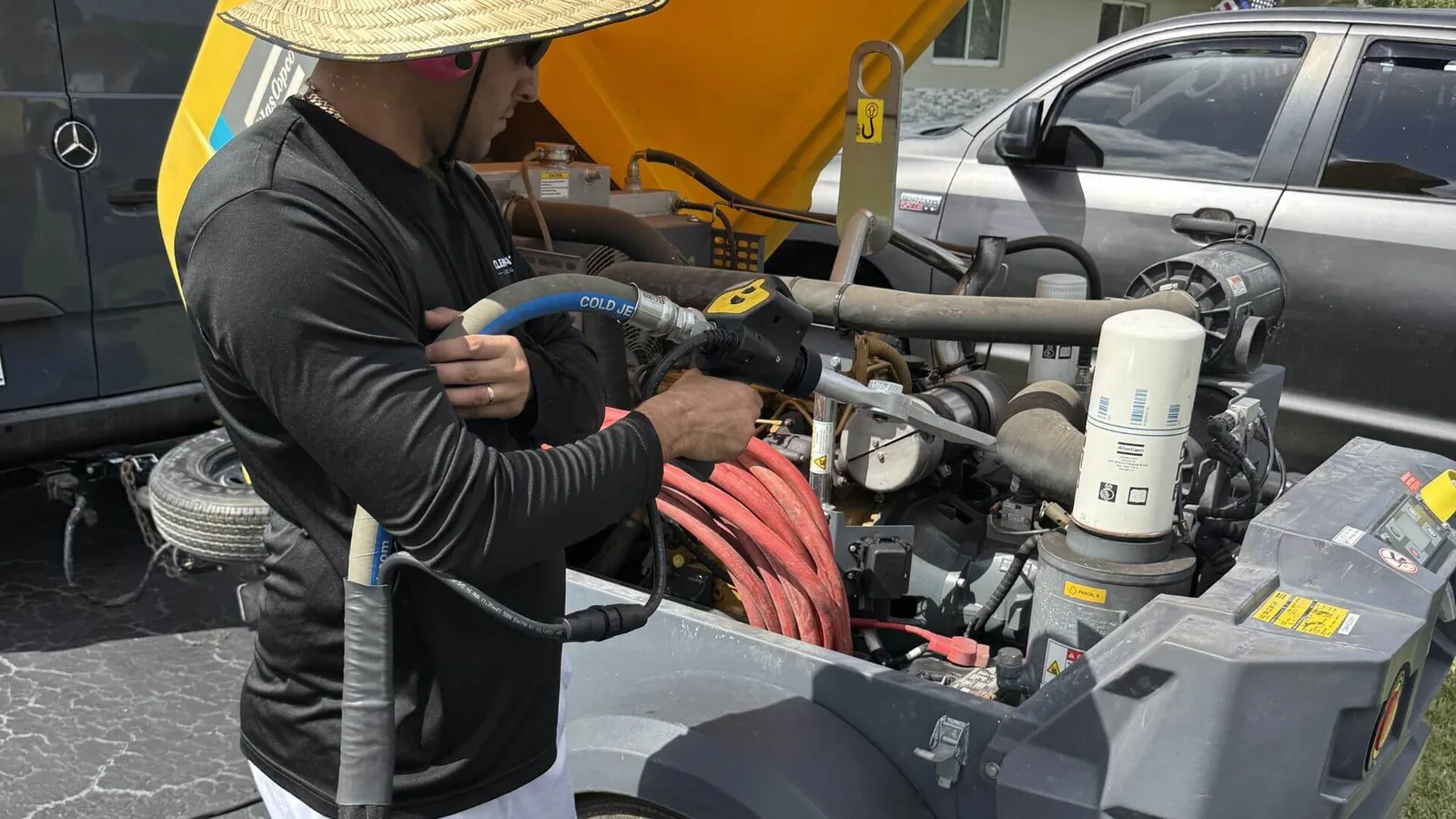
Everything arrives on the van: compressor, hose, operator and containment. Which means no downtime spent in transit and no risk of damage moving it out of North Lauderdale and back.
The media is gone by the time it has done its work, so there is no sand to vacuum and no water to mop. Only the contaminant is left, and that leaves with us.
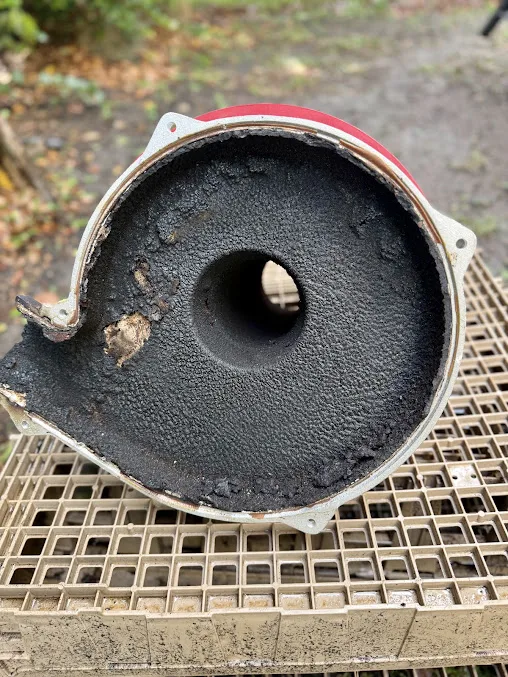
What we clean
The work we take on around North Lauderdale
Nearby
Also working across Broward County
Questions from North Lauderdale
How do we book it in?
Describe the job and send a photo or two. Giancarlo or Kenny will call you, not a scheduler.
Do you cover North Lauderdale?
We do. The whole point of a mobile setup is that North Lauderdale is no further than any other stop on the schedule.
What do we have to provide?
Space for the rig and a way to reach the machine. Everything else arrives with us.
Will you work during a shutdown?
Nearly always. Give us the hours you can spare and we will say what genuinely fits inside them.
What kinds of jobs do you take here?
It ranges from a single restoration project to a plant maintenance window. The method does not change much.
Does distance affect the price?
It depends how far out the job is. We will be straight with you about it when you describe the work.
Conditions around North Lauderdale
Humidity is the constant. Anything bare oxidizes faster than it would almost anywhere else. So the job is usually less about scrubbing harder and more about not making the underlying problem worse.
The mix here runs from vehicle work in driveways to production equipment inside industrial units. Site type barely matters when the air, the hose and the collection all arrive together.
Because the media sublimates, there is no slurry running toward a storm drain and no grit left in a machine. On a tight site in Broward County that is often the deciding factor.
What comes off
What comes off, and why
Here is the short version of what comes off. Anything layered onto metal or tooling is a likely candidate, and the list covers the requests we see most.
- Salt and corrosion product
Salt deposit and the oxidation it starts. Anything abrasive removes the protection along with the salt.
- Ink and printing residue
Dried ink on precision roller faces, cleaned without altering the cell structure that does the work.
- Food residue
Burnt-on product, fat and sugar on processing gear, with no chemical residue left on a contact surface.
- Grease and oil
The greasy base coat that traps grit and dust. It releases early and takes the loose material with it.
- Carbon and soot
Black carbon baked onto exhaust parts, ovens and fixtures. Heat set it there, and a sudden hit of cold makes the deposit contract and let go.
- Adhesive and sealant
The stubborn film under old tape, or the gasket that tore and left half of itself behind.
- Resin and mold release
Cured resin clings to fixtures and tooling. Grit would wear the tool as it cleaned, which is why this needs something softer.
How a job runs
Nothing about this should be a surprise
Nobody should have to guess what they booked. This is every stage of a job in the order it happens.
- We look at access and containment
Anything that should not be blasted gets covered first. On a control cabinet that might be a few components, and on a food line it might be most of what surrounds the area we are cleaning.
- We test a small area
If you want to see the test, stand with us while we do it. You can look at the patch yourself before we move to anything visible, and nothing goes further until it looks right to both of us.
- We blast, then clean up
The media disappears on contact; the contaminant does not. Gathering what came off is included, not a line added afterward.
- You look before we pack up
A second pass while everything is still connected is free in every sense. A return trip is not.
- You describe the job
Nobody needs a technical description. Something like ‘grease on a conveyor in a warehouse, can stop Sunday’ is plenty to start with, and a photo fills in the rest. If what you describe is better handled another way, we say so on the first call.
The comparison
How this compares to the usual methods
- Pressure washing
Pressure pushes moisture past seals and into connectors, and then you wait. Panels and motors rule it out.
- Solvent and degreaser
Chemistry works, but you inherit ventilation, waste handling and a film on the surface.
- Hand scraping
Fine on a patch, hopeless on a machine, and the blade leaves its own evidence.
- Media blasting
Abrasive by definition. Anything with a tolerance or a finish worth keeping comes out changed.
- Dry ice
The pellet is soft and the mechanism is temperature, not abrasion. It turns to gas on impact, so the only thing left to sweep up is what came off.
What to expect on site
Masking happens first. Whatever is adjacent and vulnerable gets covered before the hose is picked up.
The one thing the ice itself asks for is air. As the CO2 turns to gas it fills an enclosed space, which is why ventilation is part of our setup on every indoor job.
Expect noise. Everybody inside the working area wears hearing protection, us included.
The cold is what does the cleaning, so some of it stays in the part for a while. Gloves help if you need to handle it right after we finish.

Tell us what needs cleaning.
Describe it the way you would to a friend, then add the address and any pictures. Giancarlo or Kenny takes it from there.